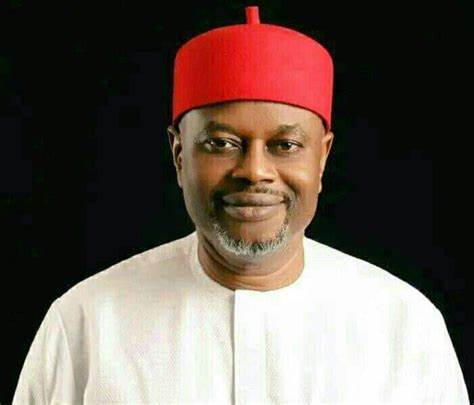
The University of Nigeria, Nsukka has disowned the degree of Uche Nnaji, Minister of Science, Technology and Innovation, saying he never graduated.
In a letter dated 2 October 2025, Vice Chancellor Simon U. Ortuanya confirmed that while Mr. Nnaji was admitted in 1981 to study biological sciences, university records show he did not finish his programme.
The statement stressed that no certificate was issued to him in July 1985 as he claims, and thus the document he parades could not have originated from the university.
The development intensifies long-standing allegations of forgery surrounding Mr. Nnaji’s credentials.
Premium Times had, over a two-year investigation, scrutinized the minister’s documents and found major inconsistencies in both his degree and National Youth Service Corps,NYSC,certificates.
Forensic checks exposed irregularities in the NYSC document, including a 13-month service period instead of the statutory 12 months, a signature from a corps head who assumed office two years later, and numbering formats that were not in use until the 1990s.
The certificate also bore the title “National Director,” a designation unknown to the NYSC in 1986.
READ ALSO: Reps invite Transport Minister to explain recent train derailment
At UNN, reporters confirmed that Mr. Nnaji failed courses such as Virology and ignored multiple opportunities to retake them.
Records further showed he wrote to the university in 1986 pleading for another chance to complete his studies, but his request was rejected. His name was missing from the official list of graduates at the 1985 convocation.
The case is further complicated by conflicting statements from UNN officials.
While the university’s registrar initially claimed in 2023 that Mr. Nnaji graduated, she later withdrew the statement, admitting the school could not find his records.
The latest confirmation by the vice chancellor aligns with that admission and the newspaper’s investigative findings.
Despite repeated requests for comment, Mr. Nnaji has remained silent on the matter. The scandal now fuels wider concerns about background checks on public officials and the prevalence of forged academic credentials in Nigerian politics.
Premium Times