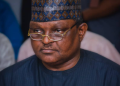
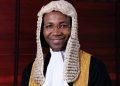
The United States Embassy in Lagos has clarified its position on visa privileges following public questions surrounding the reported revocation of a visa belonging to Nobel laureate Prof. Wole Soyinka.
In its response, the Consulate emphasized that a U.S. visa is not an entitlement but a discretionary privilege granted under U.S. law.
The clarification came after The PUNCH reached out to the Embassy seeking confirmation and details on the development, which had sparked widespread discussion across Nigeria’s literary, diplomatic, and political circles.
Reports earlier in the week suggested that Soyinka’s U.S. visa was revoked, a development that prompted queries from journalists and members of the public.
Responding via email on Thursday, the Public Diplomacy Officer at the U.S. Consulate General in Lagos, Julia McKay, stated that the United States could not discuss the specifics of any individual’s visa, citing federal confidentiality laws that govern the handling of immigration and visa-related records.
She reiterated that U.S. law classifies visa records as confidential, and officials are therefore prohibited from making public comments about individual applications, revocations, or administrative decisions involving foreign nationals.
The reply underscored the long-standing U.S. policy that visas are granted based on eligibility and discretion, rather than any formal entitlement.
McKay’s email stressed that the issuance or withdrawal of a visa lies within the sovereign decision-making authority of the U.S. government and does not require public explanation unless offered voluntarily.
The response neither confirmed nor denied the alleged revocation of Soyinka’s visa. However, the Consulate’s emphasis on confidentiality and discretion has been interpreted as a standard diplomatic response in cases involving high-profile individuals.
ALSO READ: US revokes Wole Soyinka’s visa, gives no reasons
The situation has generated significant public interest due to Prof. Soyinka’s international stature as Africa’s first Nobel Prize winner in Literature and a long-standing figure in global intellectual and political discourse.
Soyinka, known for his outspoken criticism of governance issues worldwide, remains a prominent personality whose movements and engagements often attract public attention.
U.S. visas, whether tourist, student, work, or diplomatic, may be revoked for several reasons, including changes in eligibility, new information received by authorities, or administrative reviews conducted routinely.
However, because such matters are rarely discussed publicly, many cases—even those involving global personalities—remain shrouded in confidentiality.
Although Soyinka has yet to publicly address the latest report in this specific article, earlier media coverage indicated that he acknowledged the revocation but offered little detail while assuring supporters that the matter did not trouble him.
The Embassy’s statement reinforces the U.S. position: a visa is a privilege, not a guaranteed right, and the government retains the authority to issue, deny, or withdraw it at any time in line with federal law.
Punch