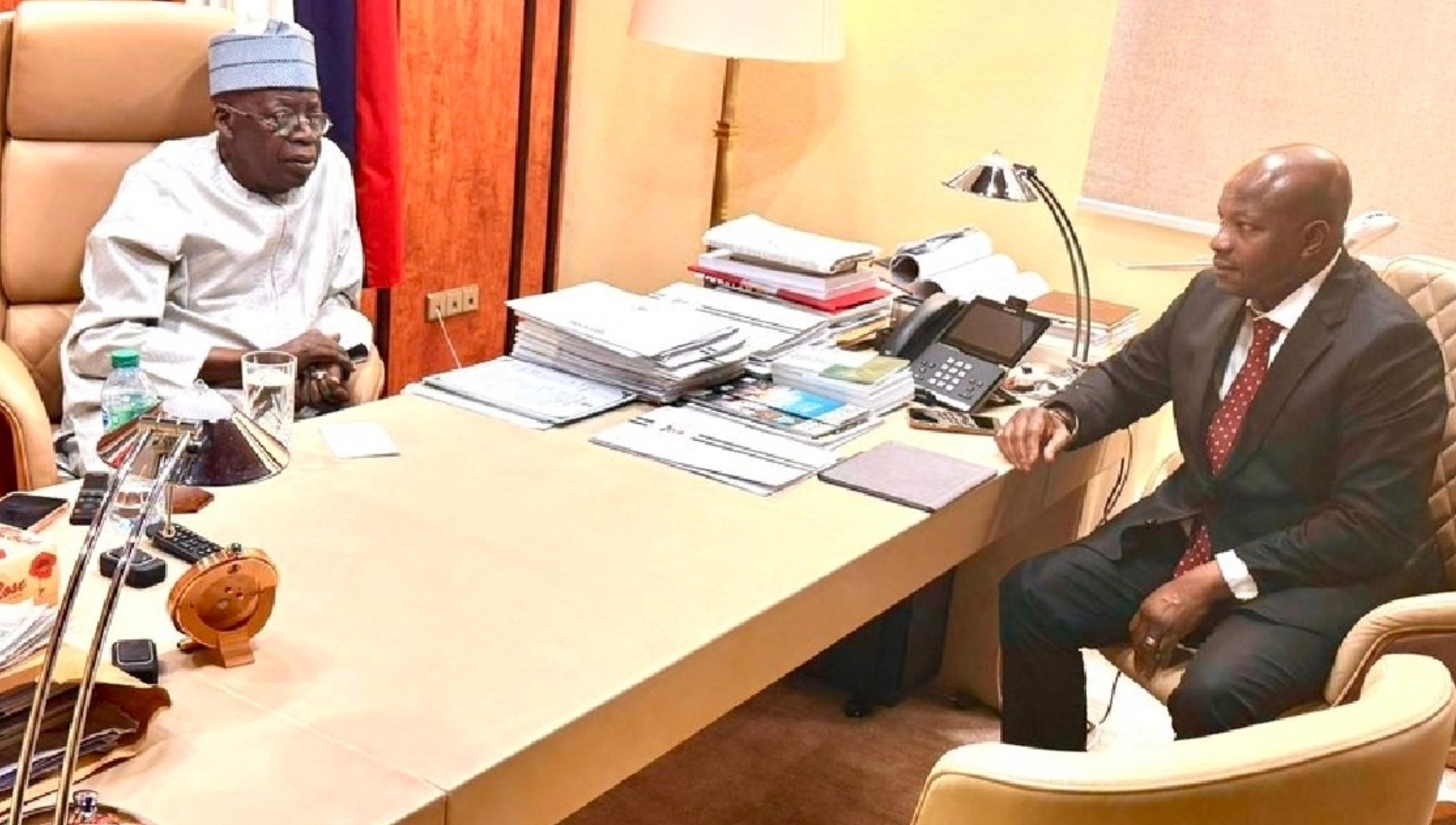
The successful rescue of 38 kidnapped worshippers from Christ Apostolic Church in Eruku, Kwara State, represents a defining moment in President Bola Tinubu’s fight against Nigeria’s escalating security challenges.
The dramatic operation, which concluded on Sunday afternoon, showcased unprecedented presidential involvement that transformed what could have been another tragic statistic into a testament to coordinated security response.
Nigerians watched the nightmare which began on Tuesday evening, November 19, 2024, at approximately 6:00 PM when heavily armed gunmen stormed the Christ Apostolic Church in Eruku, Ifelodun Local Government Area of Kwara State. In a chilling twist that amplified global outrage, the attack was inadvertently broadcast live, capturing the horror as worshippers – including children and elderly members – scattered for safety amid sporadic gunfire.
The attackers, described as AK-47-wielding bandits, showed no mercy. Two worshippers – Aderemi and vigilante Tunde Asaba Ajayi – lay dead as the smoke cleared. The gunmen then systematically rounded up 38 remaining congregants, ranging from a five-year-old child to a 67-year-old elder, before vanishing into the dense forests of Oreke Okeigbo with their human cargo.
A State Under Siege
This attack didn’t occur in isolation but represents part of a terrifying escalation in Kwara State’s security crisis. Recent data reveals the staggering human cost: between January 1 and November 7, 2024, at least 207 people were reportedly killed in the State of Harmony with 177 individuals kidnapped during the same period. This translates to roughly two deaths every three days, painting a picture of a region under siege.
Also Read: Tinubu orders withdrawal of police from VIPs
The violence has become geographically concentrated in five local government areas – Ifelodun, Pategi, Edu, Kaima, and Baruten – which together account for 79% of all fatalities. These areas, either bordering or proximate to Kogi and Niger states, have become hunting grounds for armed groups exploiting Nigeria’s vast ungoverned spaces.
Presidential Command and Control
What transformed this potentially devastating situation was President Tinubu’s quick personal intervention. Security sources disclosed that the president immediately took personal charge of coordinating operations, providing round-the-clock oversight that marked a departure from traditional delegation of security matters.
The president’s hands-on approach triggered what sources described as “unprecedented intelligence mapping and aerial surveillance” by the Office of the National Security Adviser. This intensive operation culminated in DSS operatives, backed by the Nigerian Air Force, swooping down on established coordinates in the Kwara forests.
Governor Abdulrahman Abdulrazaq’s spokesperson, Rafiu Ajakaye, emphasized the significance of presidential involvement: “The Governor says this is wholly due to the hands-on approach of President Bola Tinubu, GCFR, who personally led the efforts to free the abductees”.
Strategic Sacrifice: G20 for National Security
Perhaps most telling of the president’s commitment was his decision to cancel his scheduled trip to the G20 Meeting in South Africa to personally oversee the rescue operations. This sacrifice of international diplomatic engagement for domestic security concerns sent a powerful message both to Nigerians and the international community about his administration’s priorities.
The president’s statement was unequivocal: “Let me be clear. I will not relent. Every Nigerian, in every state, has the right to safety. Under my watch, we will secure this nation and protect our people”.
The Broader Context: Nigeria’s Security Crisis
The Eruku rescue must be viewed against Nigeria’s broader security landscape, where multiple crises intersect across the country’s 36 states. Northern Nigeria faces what experts describe as an unprecedented security challenge, recording over 1,923 attacks against civilians in 2024 alone, resulting in more than 3,000 deaths.
In the northwest, armed gangs carry out ransom kidnappings from forest hideouts, while the northeast remains gripped by a 15-year insurgency led by Boko Haram and Islamic State West Africa Province. The central belt, where north meets south, witnesses deadly clashes over religion, ethnicity, and access to land and water.
International Pressure and Presidential Response
The timing of the Eruku attack coincided with mounting international pressure on Nigeria’s government. U.S. President Donald Trump’s recent threats of military action over alleged persecution of Christians in Nigeria had already placed the Tinubu administration under intense scrutiny.
The successful rescue operation, achieved through indigenous security capabilities rather than foreign intervention, demonstrates Nigeria’s capacity for effective response when properly coordinated at the highest levels of government.
The 38 rescued victims represent a cross-section of Nigerian society – 26 females and 12 males ranging from young children to elderly worshippers. Their safe return, achieved without reported casualties among the hostages, stands as a rare success story in a security environment more often marked by tragedy.
The operation’s success has broader implications for Nigeria’s approach to security challenges. It demonstrates that when leadership is directly engaged, coordinating between multiple security agencies – including the DSS, Nigerian Army, Police, and intelligence services – effective results are possible.
Looking Forward: Lessons and Implications
The Eruku rescue operation offers several critical lessons for Nigeria’s ongoing security challenges. First, it underscores the importance of presidential leadership in coordinating complex security responses. Second, it demonstrates the effectiveness of inter-agency cooperation when properly orchestrated. Third, it shows that Nigeria’s security apparatus, when properly deployed and coordinated, can achieve significant tactical successes.
However, the operation also highlights the broader systemic challenges facing Nigeria. The fact that presidential intervention was required for a single rescue operation raises questions about the routine capacity of security agencies to respond to the hundreds of similar incidents occurring across the country.
As Governor Abdulrazaq noted in thanking President Tinubu and security chiefs, this success represents not just a tactical victory but a template for future responses to Nigeria’s complex security challenges. The question now is whether this level of coordination and presidential engagement can be sustained and scaled to address the broader crisis facing Nigeria’s security landscape.
Without doubt, the rescue of the Eruku 38 demonstrates that with proper leadership, coordination, and political will, Nigeria possesses the capacity to protect its citizens. The challenge lies in institutionalizing this success across the country’s vast and complex security environment.
Crediblenewsng.com