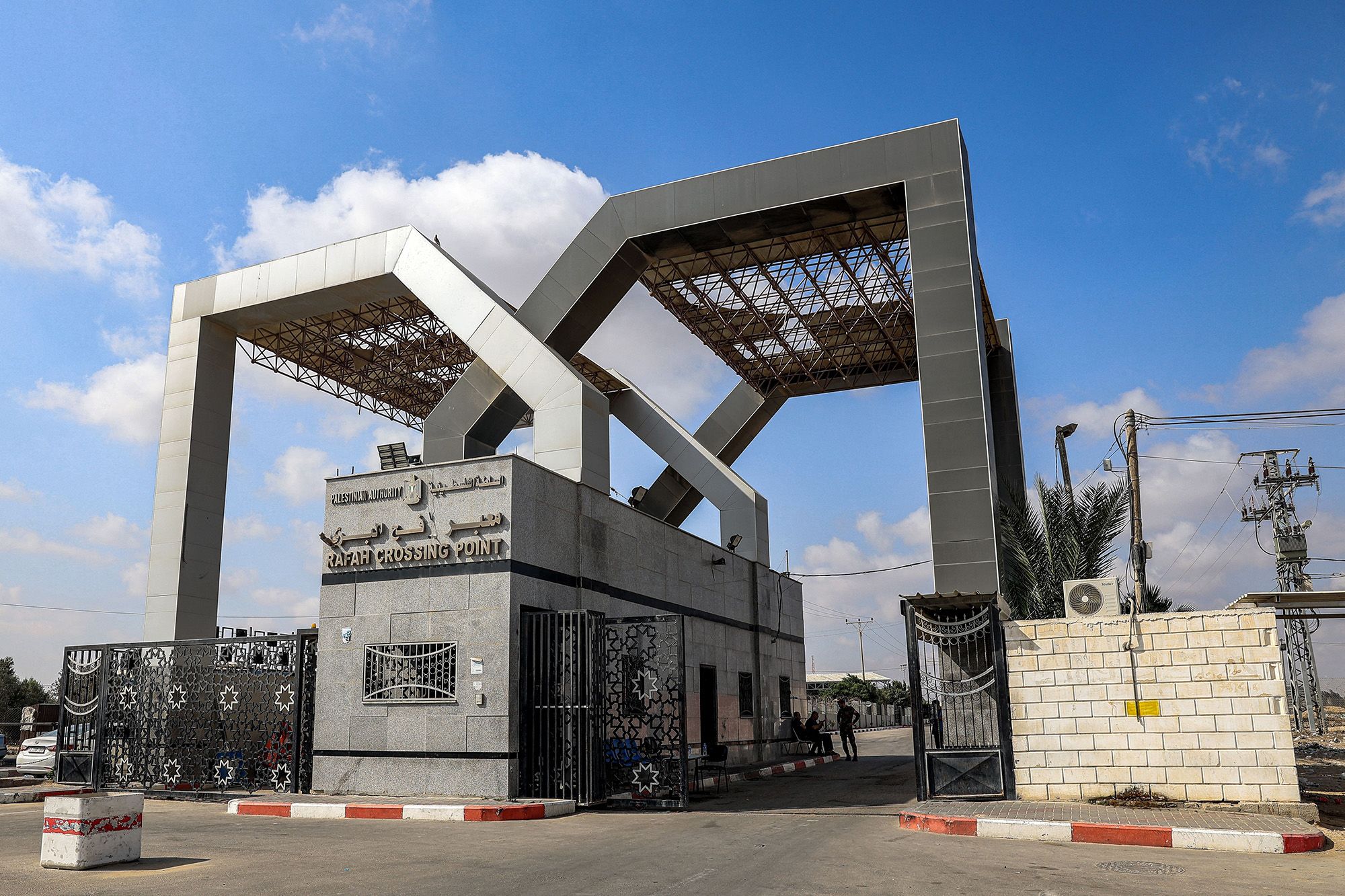
Israel has confirmed that the long-anticipated partial reopening of the Rafah border crossing between the Gaza Strip and Egypt will take place “in the coming days,” marking a limited but significant development in the ongoing ceasefire arrangement with Hamas.
The reopening, however, will apply strictly to Palestinians seeking to exit Gaza, maintaining firm limits on broader movement and humanitarian access.
A statement from COGAT, the Israeli authority responsible for policy implementation in the Palestinian Territories, announced that the border will reopen in alignment with directives from the country’s political leadership and specific clauses of the ceasefire agreement.
According to the statement, the controlled exit of residents will occur in coordination with Egyptian authorities and under monitoring arrangements provided by the European Union’s Border Assistance Mission.
Officials noted that the mechanism mirrors a short-term opening in January 2025, during which injured Palestinians were briefly allowed to travel through Rafah for medical evacuation before the crossing was shut once more.
Since then, plans to reopen the crossing have faced repeated delays despite being included in the October 10 ceasefire deal, contributing to growing frustration among Gazans waiting for safer routes out of the enclave.
ALSO READ: EU resumes Rafah border mission to support Gaza ceasefire
Currently, the only functioning exit for Palestinians has been the Kerem Shalom crossing, which operates under stringent Israeli restrictions.
Rafah’s reopening has been a central demand for thousands of residents seeking to reunite with families abroad, access medical care, or escape deteriorating conditions inside the territory.
However, Israel has made clear that Rafah will not be used for humanitarian aid deliveries. The country insists that all aid should continue entering Gaza through Kerem Shalom, where Israeli inspection systems are entrenched and security checks are strictly managed.
This position reflects Israel’s continuing concerns about smuggling and the movement of goods into Gaza that could bolster Hamas’ military capabilities.
For its part, the European Union has indicated readiness to deploy its civilian monitoring mission to Rafah, reviving a role that dates back to earlier peace agreements.
EU involvement is expected to offer international oversight and help reassure both Israel and Egypt about compliance with security protocols.
The coming reopening represents a cautious and highly controlled step rather than a full return to normal border operations.
Even so, it offers a narrow opportunity for movement in a territory where travel has been severely restricted for months.
Many residents and international observers will be watching closely to see whether the Rafah crossing eventually expands beyond this limited, exit-only arrangement as ceasefire negotiations continue.