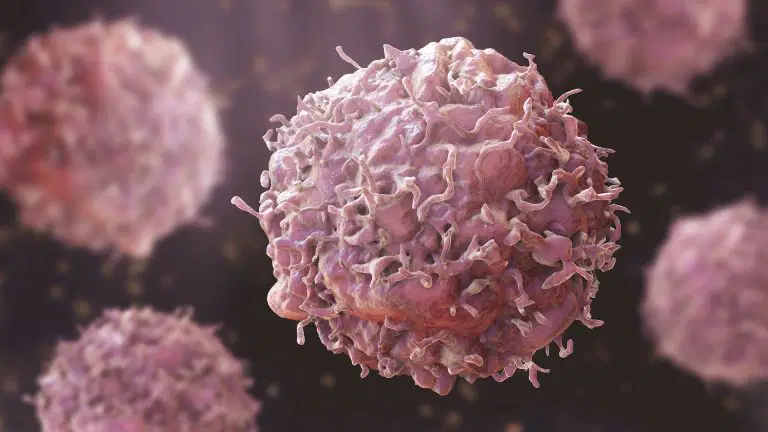
A decades-old deworming drug may soon become an unlikely force in modern oncology, after scientists at Johns Hopkins University re-engineered its structure into a potent compound capable of penetrating some of the most stubborn and lethal tumors.
The drug, mebendazole, has been a household staple for treating parasitic worms in children, adults and animals for more than 40 years.
But researchers say one particular crystal form of the drug — known as polymorph C — behaves in the body in a dramatically different way, overcoming barriers that typically weaken or block cancer drugs.
This small but powerful modification may transform the once-humble medication into a strong and affordable cancer therapy.
Mebendazole naturally exists in three polymorphs, long considered interchangeable. The Hopkins team found otherwise.
Their work shows that polymorph C, the least studied form, is far more effective at penetrating solid tumors — including brain tumors, which are notoriously difficult to reach because of the blood-brain barrier.
A patent secured by the team in September 2021 describes an oral formulation consisting of at least 90 percent polymorph C.
When administered this way, the drug reaches tumor sites at concentrations significantly higher than traditional mebendazole, making it substantially more destructive to cancer cells.
The researchers stated that the aim of the redesign was to make an already well-known medication truly effective for treating cancers with limited treatment options.
The list of cancers that could be vulnerable to polymorph C is extensive: gliomas, medulloblastomas, breast, colon, lung and pancreatic cancers, as well as thyroid, ovarian and prostate cancers, melanoma and multiple sarcomas.
Scientists also put forward a bold prospect — that polymorph C, when paired with an anti-inflammatory drug such as celecoxib, could serve as a preventive treatment for people at high risk.
Since long-term inflammation often fuels cancer development, the combination could theoretically form a protective shield.
Early testing in mice has yielded encouraging results. Animals treated with polymorph C showed stronger tumor suppression than those given the standard version of the drug, with tumor sites receiving the compound at therapeutic levels. Researchers described the toxicity profile as acceptable, with treated animals tolerating the drug well.
The team explored further by combining polymorph C with elacridar, a substance that prevents cancer cells from ejecting drugs. This pairing kept the compound inside tumors for longer periods and extended survival in mice with aggressive brain cancers.
Also Read: NGO embarks on breast cancer awareness campaign
The approach, however, came with caution: prolonged, high-dose use of the combination led to weight loss and some deaths in mice, signaling the need for precise dosing strategies in future human trials.
One of the most promising aspects of the discovery is its simplicity. Mebendazole is already widely prescribed, inexpensive, and familiar to clinicians worldwide.
Its safety profile is well understood, offering researchers a significant head start compared with entirely new cancer drugs that require years of preliminary testing.
With global availability and a low production cost, a cancer-targeting version of mebendazole has the potential to become one of the rare advanced treatments accessible beyond major cancer centers.
Major challenges remain. Researchers are refining how best to formulate the polymorph C pill — whether coated, granulated or micronized — to increase absorption.
They must also determine how the human body processes this version of the drug and how it interacts with other therapies.
Still, early evidence is strong enough that some experts believe polymorph C could reshape outcomes for patients with the deadliest cancers, especially those affecting the brain.
For years, mebendazole sat quietly on pharmacy shelves as a trusted deworming medication. Now, after a simple but powerful chemical re-design, it stands among the most promising experimental cancer treatments of the decade.
If future clinical trials confirm the early findings, one of the next major breakthroughs in oncology may come not from a cutting-edge invention — but from a familiar tablet once used to fight parasites.
Vanguard News