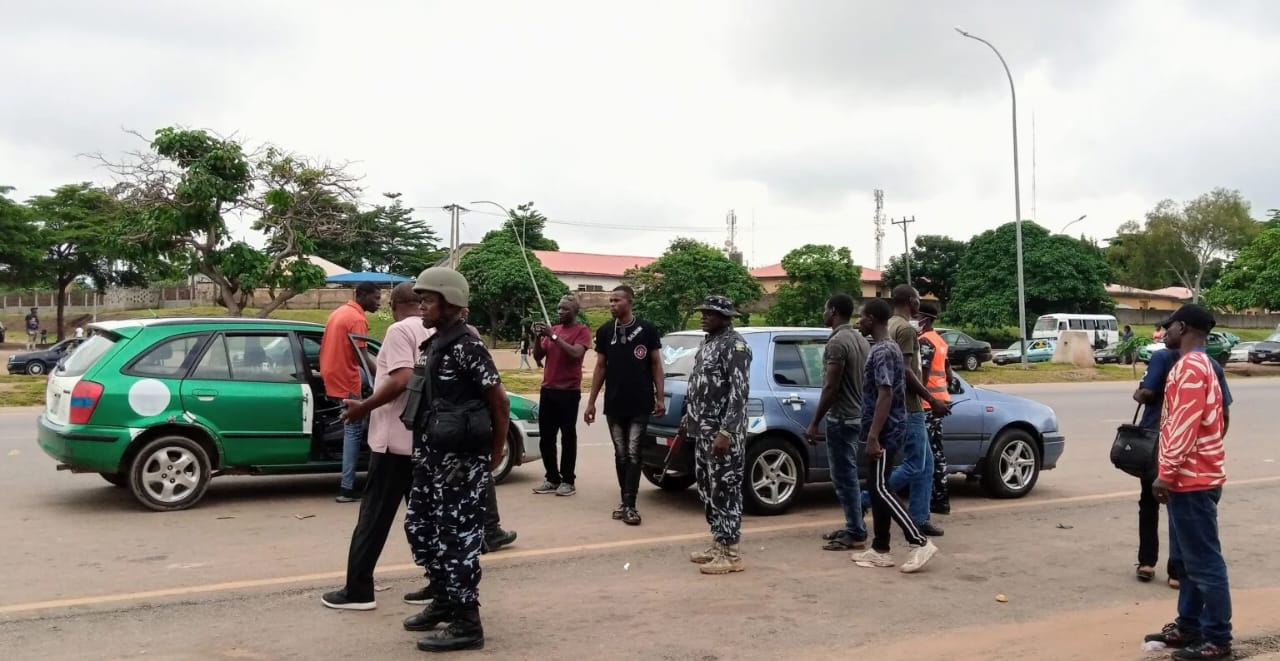
Victims of “one-chance” robberies in Dei-Dei and Kubwa communities in the Federal Capital Territory have called for stronger security measures to curb the menace and protect commuters.
The victims, who spoke in separate interviews with the News Agency of Nigeria in Abuja on Tuesday, recounted experiences of being robbed, threatened and forced to surrender valuables after boarding vehicles operated by criminal gangs.
“One chance” is a popular term for robbery and kidnapping scams in which unsuspecting commuters board vehicles operated by criminals who rob, assault or abduct them.
The victims described the crime as a growing threat that has heightened fear among residents and commuters, particularly those travelling at night.
Mrs Blessing Umeh, a civil servant in Kubwa, said she was robbed after boarding a commercial vehicle she believed was heading to her destination.
“I boarded the vehicle in the evening, thinking it was a normal commercial bus. Minutes later, the occupants threatened me and stole my phone, cash and ATM card.
“They forced me to reveal my PIN, emptied my account and abandoned me in a lonely area. The ordeal was deeply traumatic and unforgettable,” she said.
Mr Emeka Okeke, another victim in Dei-Dei, said he was attacked while returning from work. “I lost my phone, laptop and other valuables. Since then, I have been afraid of boarding commercial vehicles, especially at night.
“The government should increase security patrols and ensure those behind these crimes are arrested and prosecuted,” he said.
Miss Aisha Ibrahim said she narrowly escaped after becoming suspicious of the behaviour of other passengers in the vehicle. “I quickly asked to stop and get down before the vehicle moved far. Many people have not been so lucky.
“There should be more security checkpoints and proper monitoring of commercial vehicles to protect commuters,” she said.
Also Read: Police arrest ‘one chance’ gang, recover N8.8m ransom
Some residents said the rising cases of one-chance robbery had created fear among commuters, forcing many to avoid travelling at night.
A community leader in Dei-Dei, Mr Usman Sani, urged residents to remain vigilant and promptly report suspicious vehicles or activities to security agencies.
Sani said sustained public awareness campaigns would help residents recognize tactics commonly used by one-chance operators.
He also called on the authorities to deploy more security personnel to vulnerable locations and improve emergency responses to distress calls.
Mr Ikenna Ohia, a commercial driver, called for stricter monitoring and registration of commercial vehicles to prevent criminals from disguising themselves as transport operators.
According to him, proper identification of commercial drivers would help passengers distinguish genuine operators from criminals.
Other residents advised commuters to remain vigilant, avoid boarding isolated vehicles and share their travel details with relatives whenever possible.
They urged the FCT Administration, security agencies and transport unions to intensify patrols, strengthen intelligence gathering, raise public awareness and enforce stricter measures against criminal activities.
The respondents expressed optimism that coordinated efforts by the government, security agencies, transport unions and residents would significantly reduce one-chance incidents and make FCT communities safer.
Meanwhile, the Commissioner of Police in the FCT, Ahmed Sanusi, has directed Divisional Police Officers, DPOs, and Area Commanders across the territory to intensify efforts to curb robbery and other security threats.
The commissioner, at several meetings with the DPOs, directed them to review the prevailing security situation and strengthen operational strategies across the command.
The FCT Police Command also urged residents to support security operations by providing timely and credible information to the nearest police division or through its emergency line, 08023009319.
NAN