Iran is preparing a list of conditions for reopening the Strait of Hormuz, as regional diplomatic efforts intensify to create a path towards renewed dialogue between Tehran and Washington.
Mohsen Rezaei, secretary of Iran’s Supreme National Security Council, said Tehran was drawing up the conditions following requests from mediators involved in efforts to ease tensions. He said the United States would have to take practical steps to meet Iran’s demands before the waterway could be reopened.
Iranian Foreign Minister Abbas Araghchi also hinted that diplomacy with the United States remains possible if Washington abandons pressure and respects Iran’s rights. In a remark on Friday in a post on X, he said diplomatic efforts could resume if the U.S. changed its approach.
“The US should build trust, speak respectfully, acknowledge our rights, and uphold commitments,” he said.
He said returning diplomacy to the right track was possible but stressed that “pressure doesn’t work.”
The comments came amid renewed diplomatic efforts by regional countries, about six months after the outbreak of the Iran war.
Pakistan’s army chief Asim Munir visited Tehran on Monday, followed by Oman’s Foreign Minister Badr al-Busaidi on Tuesday.
Qatar’s Prime Minister and Foreign Minister, Sheikh Mohammed bin Abdulrahman Al Thani, visited Tehran on Thursday for high-level talks with Iranian officials.
During the meetings, Qatar and Iran discussed efforts to reduce tensions and create conditions for renewed US-Iran dialogue, with the future of the Strait of Hormuz emerging as a major issue.
The discussions included a proposed framework for a temporary shipping corridor through the strait and a possible joint project to clear mines from the waterway.
Qatar has been pushing for a diplomatic solution and has stressed the importance of restoring freedom of navigation through the strategically important waterway.
Rezaei said the reopening of the strait would depend on Washington fulfilling conditions set by Tehran. Iranian officials have previously demanded measures including an end to the US naval blockade of Iranian ports, compensation for war-related damage and the removal of economic sanctions.
Iran has also been working with Oman on a proposed temporary shipping arrangement involving both Iranian and Omani waters.
Also Read: Iran demands US concessions to reopen Strait of Hormuz
However, details of the arrangement remain under discussion, with reports indicating that no final agreement has yet been reached on all aspects of the proposed framework.
The positions of Tehran and Washington remain sharply different. US President Donald Trump has said the Strait of Hormuz is open, while a US government source told Al Jazeera that the naval blockade remains in place and that no talks with Iran are currently scheduled.
Trump has also indicated that he is not in a hurry to resume negotiations with Tehran, adding uncertainty to the diplomatic efforts being led by regional mediators.
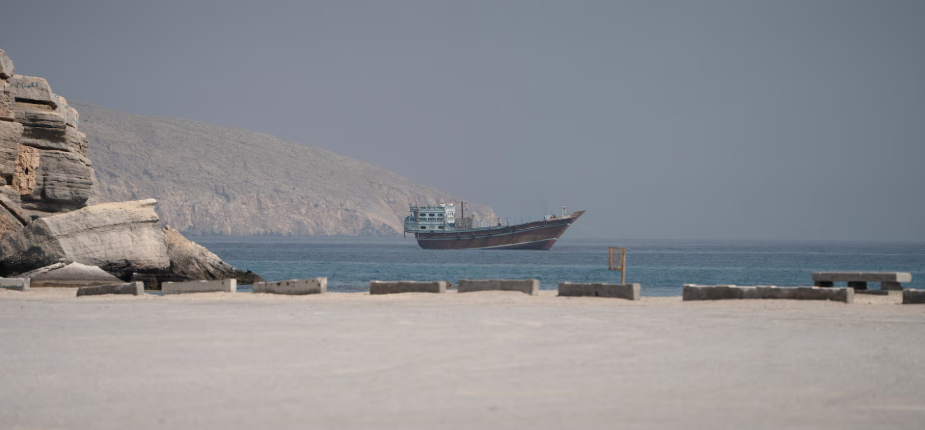
The Strait of Hormuz remains one of the world’s most important energy corridors. Before the conflict, roughly one-fifth of global oil supplies passed through the waterway, making its disruption a major concern for energy markets and international shipping.
The continued uncertainty over shipping through the strait has therefore raised concerns about energy supplies, transportation costs and wider economic consequences.
Qatar’s latest mission follows recent mediation efforts by Oman and Pakistan, as regional countries seek to prevent further escalation and create a pathway back to negotiations.
For now, however, there is no confirmed breakthrough between Washington and Tehran. The reopening of the Strait of Hormuz remains closely tied to the wider dispute, with Iran insisting on conditions from the United States while Washington maintains that the waterway is open.
The coming days are expected to determine whether the ongoing mediation efforts can bridge the gap between the two sides and restore more normal shipping through one of the world’s most strategically important waterways.
Al Jazeera/Reuters/Euronews