Saudi Arabia has temporarily shut its critical East-West oil pipeline after a drone attack struck sections of the 1,200km route, disrupting a major alternative pathway for the kingdom’s crude oil exports.
The pipeline, which runs from the Abqaiq oilfield in eastern Saudi Arabia to the Red Sea port of Yanbu, has become increasingly important as disruptions around the Strait of Hormuz continue to restrict the movement of Saudi oil.
The attack occurred on Friday, with Saudi authorities reporting damage in the Riyadh and Medina areas as well as injuries. Equipment used to operate the pipeline was also reportedly affected.
Saudi Arabia’s Ministry of Energy said the pipeline was temporarily shut as a precaution while specialized teams worked to secure the facility and assess the extent of the damage.
The East-West pipeline is operated by Saudi Aramco and has been carrying between four million and five million barrels of oil per day in recent months, according to data cited by Reuters.
That volume represents roughly four to five per cent of global oil supply, making the pipeline strategically important to international energy markets.
The route had also been expanded to provide Saudi Arabia with an alternative export channel capable of reducing its dependence on the Strait of Hormuz.
Saudi authorities said the pipeline was struck by drones, with the attack reportedly originating from Iraq’s southeastern Maysan province. No group has claimed responsibility for the attack.
The Iraqi government has condemned the incident and said it would not accept Iraqi territory being used as a launchpad for attacks against another country.
Iraq’s Prime Minister Ali al-Zaidi ordered an investigation into the security operations in Maysan and dismissed the commander overseeing the province’s operations.
Iraq also ordered the closure of the Shalamcheh border crossing with Iran as a precaution, according to security sources.
Iraq is home to several armed groups backed by Iran, although neither the Saudi nor Iraqi governments has publicly attributed responsibility for the attack to any particular organization.
Riyadh has so far chosen not to retaliate over the attack. The Saudi Foreign Ministry said the kingdom would refrain from responding at this stage following a request from the Iraqi prime minister.
However, Saudi Arabia warned that it retained the right to take measures necessary to protect its interests and security.
Also Read: Nigeria’s Samado juice strengthens presence in Saudi Arabia
The latest incident comes after previous tensions involving Saudi Arabia and Iran-backed groups in Iraq. In July, the United States and Saudi Arabia carried out strikes against Iran-backed Popular Mobilization Forces positions in Iraq following accusations that the group had attacked Saudi oil facilities.
The closure of the East-West pipeline comes at a particularly sensitive time for global energy markets. Saudi Arabia has already faced major export challenges because of disruptions affecting the Strait of Hormuz, a crucial route for international oil shipments.
The East-West pipeline had provided Riyadh with an important alternative by allowing crude from its eastern oilfields to reach Yanbu on the Red Sea without passing through the Strait. With the pipeline now shut, Saudi Arabia could face additional difficulties moving crude to international markets.
Brent crude, the global oil benchmark, has already risen above $104 per barrel, while analysts warn that prolonged disruption to major supply routes could place further upward pressure on prices.
The pipeline attack also comes as Saudi Arabia faces renewed pressure on another front in neighboring Yemen. Houthi forces have made advances along Yemen’s Red Sea coast and seized the strategic Mayun island in the Bab al-Mandeb strait.
The developments have increased concerns over Saudi Arabia’s ability to maintain secure access to alternative routes for its oil exports.
If instability affects both the Strait of Hormuz and Bab al-Mandeb, the consequences could extend well beyond Saudi Arabia and threaten a significant portion of global energy transportation.
With the East-West pipeline unavailable, Saudi Arabia may seek to increase the use of other export options. One possibility is greater reliance on routes through Egypt, including the Suez Canal and the Sumed pipeline, which carries crude between the Red Sea and the Mediterranean.
Saudi Arabia could also rely more heavily on oil stocks already available in western parts of the country. However, security concerns around the Red Sea could complicate those alternatives, particularly if Houthi control and military activity continue to affect shipping routes.
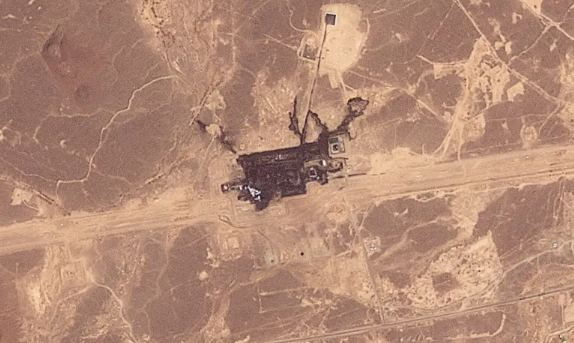
The full extent of the damage to the East-West pipeline remains unclear. Satellite imagery reportedly showed smoke emerging from an area south of Medina, while NASA detected unusual thermal activity in the vicinity.
Saudi Arabia previously experienced an attack on a pumping station along the same pipeline in April. On that occasion, output fell sharply before the facility was repaired and returned to full capacity within days. The latest closure, however, comes amid a much tighter global energy environment.
Analysts warn that if attacks continue or major Red Sea routes become inaccessible for an extended period, the disruption could remove another important buffer from an already strained oil market, potentially pushing energy prices higher and increasing pressure on consumers and economies worldwide.
Al Jazeera