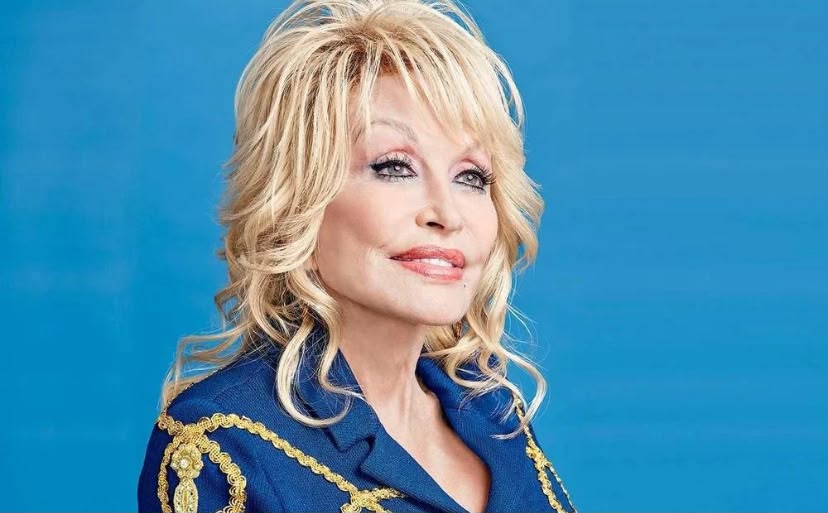
A dispute between Dolly Parton’s estate management company and her nephew has raised questions about how celebrity businesses should be managed after their founders die.
Parton’s nephew, Bryan Seaver, announced the legendary singer’s death in a prerecorded video on August 25. Seaver, the son of one of Parton’s 11 siblings, had served as her head of security for many years.
However, Seaver is now embroiled in a dispute with She’s Alive LLC, the company Parton established to manage her business assets after her death.
The company terminated his involvement, and a court issued a restraining order against him. Seaver is accused of engaging in what the estate described as “an obscene, deliberate and escalating campaign of threats.” He denies the allegations.
The dispute highlights the challenges of planning for the future of a privately held business after its founder dies, particularly when the founder wants the company to continue operating.
Parton, an American singer, actress, entrepreneur and philanthropist, reportedly left an estate estimated at $450 million.
Managing celebrity estates after death
Celebrity estates often contain valuable intellectual property, including copyrights to songs and recordings, as well as publicity rights that govern the commercial use of a celebrity’s name, image and likeness.
These assets can generate substantial revenue long after a celebrity dies. However, poor succession planning and ineffective management can prevent beneficiaries from receiving their full value.
The estate of Prince, who died in 2016 without a will or formal estate plan, illustrates these challenges. The musician had no surviving children, and his estate passed to his siblings.
It took more than six years to administer his estate, valued at $156 million. His heirs eventually established corporate entities to manage his intellectual property rights.
One of these entities, Prince Legacy LLC, later became involved in litigation after some heirs sought to remove the managers overseeing their share of the rights.
Marilyn Monroe’s estate provides another example. The actress, who died in 1962 without children, left a professionally prepared will that gave most of her publicity rights to her longtime acting coach, Lee Strasberg, and his then-wife.
After Strasberg remarried, his widow hired professional managers, including COG Worldwide, a company specialist in managing and marketing the publicity rights of deceased celebrities.
The successful commercial management of Monroe’s publicity rights helped make her one of the highest-earning deceased celebrities, generating substantial income for beneficiaries she had never met.
Should relatives manage a founder’s business?
Family businesses face similar questions about who should take control after a founder dies and how operations can continue without losing revenue or value.
Keeping a business within the family can offer advantages. Relatives may understand the founder’s plans, possess valuable institutional knowledge and maintain relationships with employees and customers.
Also Read: Country music legend Dolly Parton dies at 80
Research, however, has not conclusively established whether family members or external professionals are more successful at managing businesses after a founder’s death.
Some studies suggest family managers have a strong sense of responsibility and personal commitment to preserving the business for future generations.
Other research has found that non-family successors may perform better in the short term because relatives can struggle with grief and the emotional effects of losing the founder.
Over time, however, family members may become more effective managers because preserving the business can help them maintain a connection with the deceased relative and protect the family legacy.
Other studies have found that restricting management positions to relatives can harm business performance by excluding qualified professionals with relevant expertise and experience.
How a founder’s death can affect a business
When an owner of a privately held business dies, their assets, including real estate, investments and intellectual property, are distributed according to their estate plan, where one exists.
However, a business’s value often extends beyond its physical and financial assets. Its success may depend heavily on the founder’s knowledge, relationships, reputation and personal abilities.
Parton’s creativity and global popularity, for example, were likely major drivers of the value of her business interests.
A 2022 study examining nearly 1,500 business founders found that company growth and profitability declined following their deaths.
Smaller businesses may face an even greater risk of closure.
The researchers attributed the negative effects largely to the founder’s unique contributions rather than leadership changes alone, suggesting that even careful succession planning may not fully replace the value created by an exceptional entrepreneur.
What this means for Parton’s estate
Parton’s complete estate plan has not been made public. She had no children, and her husband died before her.
Court filings indicate that she undertook extensive estate planning involving trusts and corporate entities to manage her business assets and intellectual property rights.
Parton was also known for her charitable work, including donations supporting medical research and disaster relief. Through the Dollywood Foundation, she established the Imagination Library, which provides free books to millions of children from birth until age five.
Ultimately, the value preserved for her beneficiaries, friends and charitable causes will depend partly on how her business interests and intellectual property are managed after her death.
Although Parton reportedly planned extensively for the future of her estate, its long-term success will depend on the people and organiZations responsible for carrying out those plans.
The Independent