The United States is moving some diplomats and their family members out of posts across the Middle East as concerns grow over possible regional escalation and threats against American personnel.
The departures have triggered frustration among diplomatic staff, many of whom had only recently returned to their posts after being ordered to leave during the Iran war.
An unclassified memo dated October 23 and addressed to Secretary of State Marco Rubio said US intelligence had found that “Iran has substantially increased efforts to target US personnel” and that plotting efforts “have reached advanced stages in both the Middle East and certain other countries.”
A US official told CNN that the government was adjusting embassy staffing in response to emerging security concerns.
“When it comes to our staffing at embassies, we constantly evaluate new information about the security environment. The threat of Houthi attacks and of Iranian terror plots targeting U.S. officials are informing our decisions on staffing adjustments for embassies on RO Status in the region,” the official said.
Axios first reported on the unclassified memo.
One US diplomat described the departures as chaotic, saying the financial support offered so far was insufficient to cover the cost of relocating entire families.
“To say it has been chaotic is an understatement,” the diplomat said.
Many families had scrambled to leave their homes in the Middle East during the early weeks of the Iran war and find new accommodation and schools for their children. Now, some are facing another relocation, with concerns that the State Department may provide less financial assistance than before.
“This echoes the chaos families experienced earlier this year. Some had barely settled back in before being told to leave again,” Nikki Gamer, spokesperson for the American Foreign Service Association, told CNN. “They are understandably upset, confused, and angry.”
Later on Friday, a State Department official said all US direct-hire personnel and their families were receiving daily allowances and support for accommodation and schooling.
The official said the per diem allowances were consistent with government rates in the locations where the personnel were based.
US adjusts staffing across the region
The staffing changes come amid increased attacks by Iran-backed Houthi forces on Saudi Arabia. The State Department has repeatedly warned that the hostilities “have the potential to escalate rapidly beyond that immediate area.”
They also follow remarks by US President Donald Trump suggesting he could resume strikes against Iran after the midterm elections. Sources said Israel had also lobbied unsuccessfully, for now, for more immediate action.
The State Department this week ordered non-emergency personnel and all family members to leave Saudi Arabia in response to the escalation involving the Houthis.
At the same time, the department has quietly adjusted staffing limits at several other US embassies in the Middle East, including those in Jordan, Bahrain, Kuwait, Qatar, the United Arab Emirates and Lebanon, sources told CNN.
A State Department official confirmed that Lebanon, the United Arab Emirates, Qatar and Jordan would experience temporary staffing changes under restricted operations.
Also Read: Nigeria, France, Australia seek global solidarity against terrorism
The official said there had been no changes to personnel in Kuwait or Bahrain, suggesting those embassies were not exceeding their staffing limits.
“Under Restricted Operations Status, staffing levels are constantly evaluated and adjusted,” the official said.
Unlike the ordered departure from Saudi Arabia, the movements involving the other embassies have not been publicly announced.
The State Department has emphasised that those diplomatic missions have not changed status and remain under restricted operations. However, staffing levels can still be adjusted under that arrangement without a formal change in status.
“There’s a very Groundhog Day vibe,” a source in Amman said, describing the experience of embassy staff being asked to leave the Jordanian capital again.
Some embassies had not allowed children to return to their posts, although most had permitted spouses to come back. Now, family members who had only recently returned are preparing to leave again, with sources saying they have not been offered the same level of financial support as during the earlier departures.
Diplomats complain about poor communication
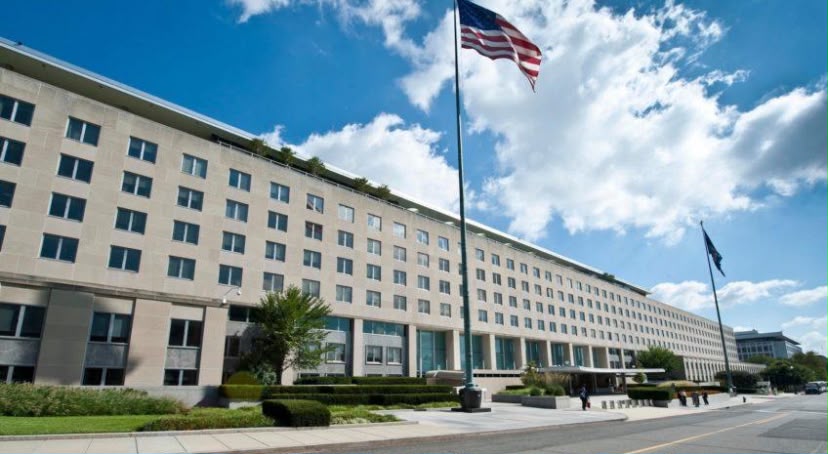
Communication between the State Department’s headquarters in Foggy Bottom and foreign service officers in the region has also come under criticism.
One source familiar with the departures described the coordination as “just as much of a shit show” as it had been during the early stages of the Iran war.
Around the time of the latest adjustments, foreign service officers raised concerns about whether the department would provide per diem allowances for families relocating to the United States, the source said.
Some embassies had also failed to hold the planning meetings or town halls that typically precede staff departures.
“A lot of people are hearing about it through the news instead of their leadership at post,” the source added.
The American Foreign Service Association, which represents foreign service officers, said it had received reports of “bureaucratic ping-pong.”
In a statement on Thursday, the association said families who had barely returned to their posts and re-enrolled their children in school were being told to prepare for another evacuation without clear information about the financial support available to them.
Gamer told CNN that families outside Saudi Arabia had reported being directed to leave without confirmed accommodation assistance or per diem allowances.
She said they had been told this was because their embassies were not changing their status from restricted operations.
The allowances are often essential for families to secure accommodation and cover unexpected relocation expenses, particularly when the diplomatic employee remains at the embassy as an essential worker.
“Families deserve to know how they will pay for a place to live before they board a plane,” Gamer said.
The State Department acknowledged the difficulties faced by diplomatic personnel and their families under restricted operations, authorised departure or ordered departure arrangements.
“We understand how hard being on Restricted Operations Status, Authorized Departure, or Ordered Departure is for our diplomatic staff and their families,” a department official said.
The official added that the department was committed to helping affected families manage relocation costs, accommodation and school enrolment.
“We are communicating directly with staff affected by these latest changes and will have more to say in the days ahead,” the official said.
CNN