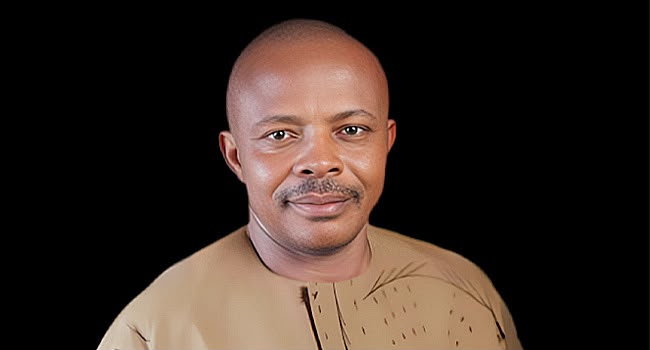
The President of the Nigeria Labour Congress, NLC, Joe Ajaero, has questioned the Trade Union Congress’, TUC, opposition to the Federal Government’s proposed ₦70,000 transport allowance, as the latter calls for higher salaries and the implementation of outstanding wage agreements.
Ajaero said the NLC negotiated independently of the TUC, arguing that the union should not oppose an agreement it did not negotiate or sign.
Speaking on Channels Television’s Morning Brief on Thursday, he said the NLC had made its independent position clear from the beginning.
“Why is TUC challenging what was gotten for the workers when we stated clearly that NLC was acting alone?” Ajaero asked.
“The agreement was not signed by TUC, and you don’t kick against something that you didn’t negotiate, you never asked for,” he added.
Ajaero said he would have preferred the TUC to demand a higher allowance, allowing both unions to negotiate with the government towards a common position.
“I would have preferred a situation whereby if NLC was asking for one naira, TUC would be asking for 10 naira, and probably the government would harmonise it,” he said.
However, the TUC has called for the Federal Government to raise the salary of its lowest-paid worker to ₦300,000, with corresponding adjustments across other salary grades.
The Congress cited states that had raised their minimum wages above ₦100,000 and argued that urgent salary reviews should not be delayed by negotiations over a new national minimum wage.
Also Read: TUC rejects FG’s ₦70,000 transport allowance proposal
It described salaries as the most consistent source of income workers could rely on and criticised the implementation of the ₦40,000 wage award agreed in October 2023.
The TUC said many workers had not received the award, while others experienced irregular payments. It also said more than 80 per cent of states and informal-sector workers were excluded.
The Congress questioned the need for another wage award while previous commitments remained unmet, calling on federal, state and local governments to introduce measures to reduce the cost of essential goods and services.
It also demanded timely payment of salaries and pensions, protection of jobs, action against exploitative practices and revitalisation of the productive sector to generate decent employment.
On the dispute involving the Joint Health Sector Unions, JOHESU, the TUC accused the Federal Government of failing to implement the agreed adjustment to the Consolidated Health Salary Structure, CONHESS, seven months after a conciliatory meeting.
It said the meeting, attended by labour leaders and senior government officials, produced a communiqué committing the government to implementing the adjustment.
The Congress described the delay as a breach of good faith and collective bargaining principles, demanding immediate implementation, clear timelines, budgetary allocations and resolution of outstanding issues.
It also pledged to support JOHESU and pursue lawful measures to secure compliance, warning that health workers should not be expected to continue providing essential services while agreements remained unfulfilled.
The TUC said it was awaiting the outcome of its scheduled meeting with the Federal Government before deciding on its next course of action.
Credidblenewsng.com