The Department of State Services, DSS, has released four men held since May 2022 over alleged membership of the proscribed Indigenous People of Biafra, IPOB, approving an initial N20 million in compensation — N5 million each — after investigations cleared them.
The beneficiaries are Emele Uduma Ibe, Berefgagha Appah, Ondokeyilemi Aggry and Oyeinmokebebeton Aggry. They were arrested in Sampou and Akeddei communities in Kolokuma/Opokuma and Sagbama Local Government Areas of Bayelsa State.
According to security sources, the Service concluded that the four were not IPOB members but victims of a recruitment scam: they had been led to believe they would each receive a N100,000 monthly payment under the Federal Government’s Amnesty Programme, unaware that they were being lured by a group of IPOB members now facing trial.
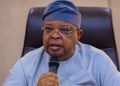
The Director-General of the Service, Oluwatosin Adeola Ajayi, personally approved the release and the payment, the sources said.
Counsel praises ‘hygiene and professionalism’
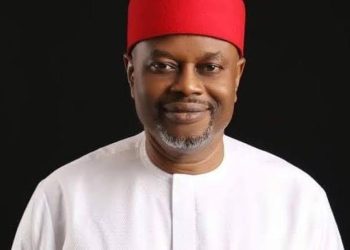
Deji Adeyanju & Partners, counsel to the four, commended the Service for what it described as a genuine commitment to human rights, with the lawyer saying the level of “hygiene and professionalism” inside the Service was the best he had witnessed in more than 20 years of interacting with DSS personnel.
Also Read: Navy apprehends five IPOB suspects in Anambra State
He reiterated his earlier public position that President Bola Tinubu made the right choice in appointing Mr Ajayi as Director-General.
Speaking on behalf of the others, Mr Ibe described the day as the happiest of his life, saying the experience had taught him a lesson he intended to pass on to others. He offered prayers for the DG and the management of the Service.
Background: a review of inherited cases
The release is the latest in a series of similar decisions since Mr Ajayi assumed office in August 2024, when he ordered a review of more than 300 terrorism-related cases inherited from previous managements.
According to the Service’s own accounting, the panel has since decongested its holding facility to about 100 detainees after thorough investigations, paying over a billion naira in compensation in the process — a figure that sits uneasily beside the “about N300 million” the DG quoted in his maiden media interview with PREMIUM TIMES in September 2026, in which he said the true total was “certainly higher” but unquantified. (See editor’s notes below.)
Earlier beneficiaries include Jos-based businessman, shot in the leg during a 2016 security operation in Plateau State who was paid N20m as DSS promised to pay his medical bills.
Chineze Ozoadibe, an Abuja businesswoman wrongfully arrested during an oil-bunkering operation was paid N10m; Sunday Ifedi, a professor was cleared of terrorist links after detention in Wawa and received N10m while Kenneth Okechukwu Nwafor, an Abia artisan cleared of IPOB allegations after July 2022 arrest also received N5m.
Mr Ajayi has said the four released on Tuesday will also receive psychological and medical support, in addition to the cash, with sources saying further reintegration assistance is expected.
The wider context
IPOB was proscribed by the Federal High Court in September 2017 on the application of the Federal Government and declared a terrorist organisation; the Court of Appeal later affirmed the order. Arrests on suspicion of IPOB membership have been a recurring feature of security operations in the South-East and, increasingly, in parts of the South-South.
The Amnesty Programme angle is significant in Bayelsa. The scheme was established in 2009 under President Umaru Yar’Adua to disarm, demobilise and reintegrate Niger Delta militants in exchange for monthly stipends — which is precisely why a promise of N100,000 a month would have appeared credible to young men in the creeks. The DSS’s finding implies that promise was weaponised.
The DG has framed the payments as “restorative justice”, telling PREMIUM TIMES: “You cannot do injury to someone, go on to admit that it was a mistake and then refuse to seek restitution. Even before God, there is room for restitution. Sometimes it is to heal the trauma, to provide the resources to help reintegrate, after we’ve disrupted a life.”
In the same interview, he conceded the Service is fallible: “Where we admit our mistakes, we offer compensation, and seek ways to improve operations in tandem with the rule of law.”
The Service has handled several other compensation cases without publicity, sources said.
Crediblenewsng.com