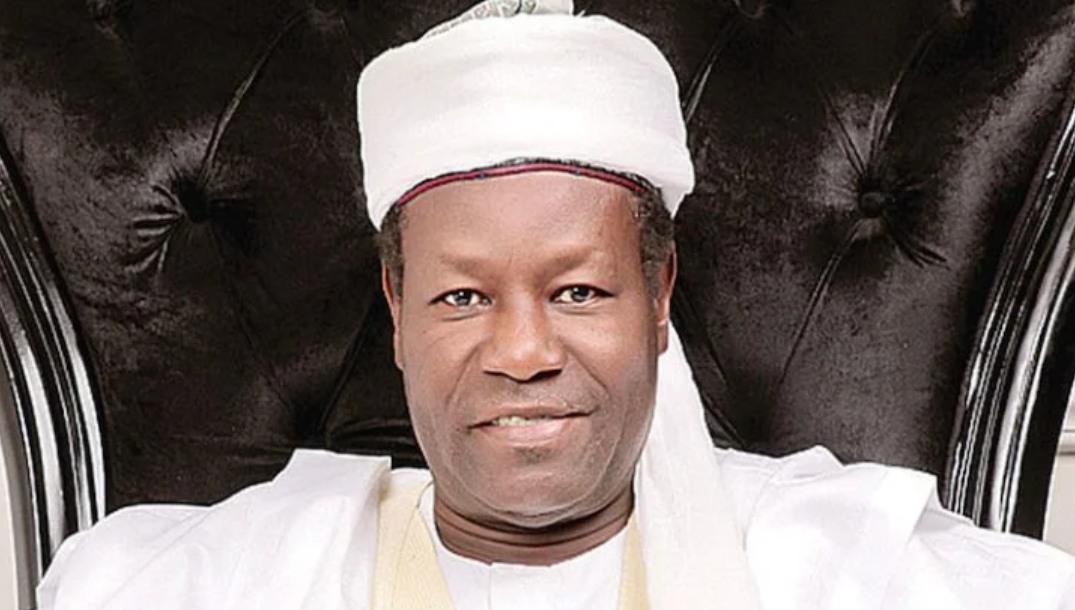
Former sports administrator and journalist, Danladi Bako, has called on the Ibrahim Gusau-led Nigeria Football Federation, NFF, board to resign, accusing the leadership of failing to address the country’s declining fortunes in football.
Bako made the call in a strongly worded opinion article in which he criticized the federation’s performance and questioned why the current leadership remained in office despite what he described as a series of disappointing results.
He argued that previous administrations would have taken stronger action against a football governing body that recorded similar failures, particularly Nigeria’s inability to qualify for consecutive FIFA World Cup tournaments.
Bako expressed concern over the Super Eagles’ failure to qualify for the 2022 and 2026 FIFA World Cups, noting that Nigeria missed out despite the expansion of Africa’s World Cup allocation.
Danladi compared Nigeria’s situation with smaller nations that secured qualification, arguing that the country’s football structure and leadership required urgent reform.
The former producer of NTA’s Mastersports recalled his involvement in advocacy efforts in 1992 for an increase in Africa’s World Cup slots from two to five.
He noted that Nigeria subsequently qualified for the 1994 World Cup for the first time but had failed to maintain that level of consistency in recent years.
Bako also raised questions over the management of funds allocated to Nigeria’s national teams. He recalled that the Federal Government released N12 billion for the Super Eagles’ campaign at the last Africa Cup of Nations in Côte d’Ivoire, but said the team returned without the desired result.
He questioned whether the relevant sports authorities had adequately accounted for the funds and called for greater transparency in the administration of football resources.
Turning to the Super Falcons, Danladi criticized their performance at the recently concluded Women’s Africa Cup of Nations, particularly their defeat by South Africa.
Also Read: NFF sacks Super Falcons trainers after AFCON flop
He described Nigeria’s overall performance at the tournament as unconvincing and said the team’s struggles reflected wider problems within the country’s football administration.
According to him, attempts to attribute poor performances to coaches, players, playing surfaces or bad luck do not adequately explain Nigeria’s recurring failures.
Bako argued that the problems were rooted largely in what he described as “sheer incompetence” within the football system.
Drawing on his experience as a former Football Association chairman in Sokoto State and former Special Adviser to Sports Minister Jim Nwobodo, Bako said he had firsthand knowledge of football administration and national team planning.
He criticized both the immediate past NFF leadership and the current administration, arguing that the federation needed leaders with stronger experience, capacity and vision to manage major international campaigns.
He also expressed concern over the performance of Nigeria’s age-grade national teams and questioned the country’s prospects if fundamental reforms were not implemented.
Danladi called for a comprehensive review of the NFF Statutes and the federation’s electoral process. He proposed giving greater voting influence on Premier League clubs, which he described as the “goose that lays the golden egg” of Nigerian football.
He also criticized the influence of state football associations in the federation’s electoral system, arguing that some association chairmen are political appointees with limited football administration experience.
Danladi questioned why former Nigerian football stars and administrators such as Felix Owolabi, Daniel Amokachi, Nwankwo Kanu and Segun Odegbami were not playing a more prominent role in the administration of the country’s football.
He argued that individuals with significant experience in Nigerian football should be given greater opportunities to contribute to the development and management of the sport.
The former sports administrator also criticized what he described as the excessive politicization of NFF elections and the frequent invocation of possible FIFA sanctions whenever government officials seek greater accountability.
According to him, Nigeria should develop a football administration structure that reflects its own realities while remaining consistent with FIFA regulations.
Bako argued that the president of the federation should possess strong administrative, technical and financial capabilities, particularly when making decisions on national team coaches and preparing teams for major competitions.
He said the position required an individual capable of inspiring players and coaches while also securing and managing resources effectively.
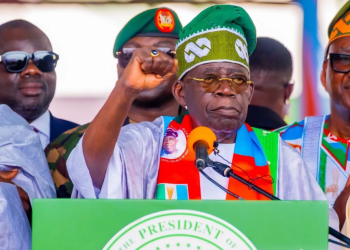
In his conclusion, Bako called on President Bola Tinubu to intervene through relevant government officials and encourage the Gusau-led board to resign.
He suggested that the leadership should voluntarily step aside following Nigeria’s failure to qualify for the 2026 World Cup.
Bako cited the resignation of the Italian Football Federation board following Italy’s failure to qualify for the 2026 World Cup as an example of accountability in football administration.
He argued that similar standards should apply in Nigeria, insisting that the country needed urgent reforms to restore confidence in its football administration and improve its performance on the international stage.
The Eagle