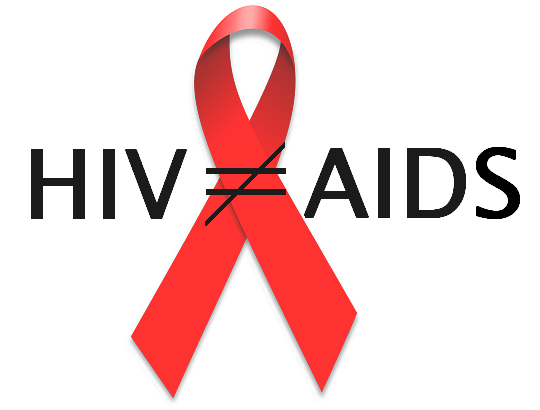
World AIDS Day, observed every December 1st, marks a global moment of reflection, solidarity, and action in the fight against HIV/AIDS.
Established in 1988, it serves as a reminder of the millions affected by the epidemic and a call to accelerate efforts towards ending the disease. In 2024, the theme, according to World Health Organisation is: “Take the rights path: My health, my right!” underscores the urgent need to tackle persistent challenges in the HIV/AIDS response while fostering optimism for a world free of the virus.
A Snapshot of the HIV/AIDS Epidemic
Since the emergence of HIV in the 1980s, the epidemic has claimed over 40 million lives worldwide. Despite remarkable advancements in treatment and prevention, an estimated 39 million people were living with HIV at the end of 2023.
Sub-Saharan Africa continues to bear the highest burden, though the virus affects every corner of the globe.
HIV/AIDS disproportionately impacts marginalized communities, including LGBTQ+ individuals, sex workers, people who inject drugs, and prisoners. Stigma, discrimination, and lack of access to healthcare exacerbate these disparities, creating barriers to testing, treatment, and education.
READ ALSO: World AIDS Day: Over 50,000 living with HIV/AIDs in Kogi -Official
Health is a human right
Everyone should have access to the health services they need, including HIV prevention, treatment and care services when and where they need them. Protecting the right to health means ensuring that health care is available to everyone, without any discrimination, regardless of their HIV status, background, gender or where they live. Though progress has been made, challenges in access remain across the Region.
A Journey of Progress
Since the first World AIDS Day in 1988, remarkable strides have been made in the global response to HIV/AIDS. Antiretroviral therapy has transformed HIV from a death sentence into a manageable chronic condition for millions of people worldwide.
According to UNAIDS, an estimated 85% of people living with HIV knew their status, 78% were accessing treatment, and 71% had achieved viral suppression, preventing transmission and allowing them to lead healthy lives.
Prevention Efforts: Innovations like pre-exposure prophylaxis, post-exposure prophylaxis (PEP), and advancements in vaccines are helping reduce new infections.
Global Awareness Campaigns: Initiatives such as the UNAIDS 95-95-95 targets—aiming for 95% of people living with HIV to know their status, 95% of those diagnosed to receive treatment, and 95% of those on treatment to achieve viral suppression—have driven global progress.
Challenges That Persist
Despite these gains, challenges remain:
Inequality in Healthcare Access: Many low- and middle-income countries face resource limitations, leaving millions without access to life-saving ART.
Stigma and Discrimination: Fear of judgment often prevents individuals from seeking testing or treatment.
Prevention Gaps: Inconsistent access to education and preventive tools contributes to continued transmission.
Spotlight on Nigeria: Fighting HIV/AIDS Locally
In Nigeria, the fight against HIV/AIDS has seen progress but remains critical. As of 2024, approximately 1.7 million Nigerians live with HIV, with prevalence rates declining due to sustained public health efforts. Campaigns promoting education, testing, and access to ART have made a difference, yet challenges such as rural healthcare access and cultural stigma require targeted interventions.
According to the Acting Executive Secretary, Kogi State Agency for the Control of Aids, Ibrahim Anate has declared that no fewer than 50,000 people are currently living with HIV/AIDs in the state.
Anate said: “About 50,000 people are living with HIV presently out of which 36,066 are presently on treatment in Kogi State.
“We are seriously fighting the scourge and we are giving the awareness to all the community and the hard-to-reach areas of the awareness of HIV in Kogi State.”
He noted that the state government, under Alhaji Usman Ododo, is striving to see that people who are living with HIV AIDs are on treatment and pregnant women who are HIV positive deliver negative babies.
World AIDS Day 2024 Events and Calls to Action
This year, communities, organizations, and governments worldwide are coming together to commemorate World AIDS Day through:
Awareness Campaigns: Public forums, art installations, and social media drives are educating people about HIV prevention and the importance of testing.
Community Engagement: Grassroots initiatives focus on empowering vulnerable populations with information and resources.
Memorial Events: Vigils and ceremonies honor the lives lost to AIDS and celebrate the resilience of those living with HIV.
What Can You Do Today?
Get tested: Know your HIV status.
Support campaigns: Donate to or volunteer with HIV/AIDS organizations.
Spread awareness: Share accurate information about HIV prevention and treatment.
Challenge stigma: Foster inclusive and supportive environments.
Looking Ahead: A Vision for the Future
The vision of a world without AIDS is within reach, but it demands collective effort. Governments must prioritize funding for research and equitable healthcare. Communities must unite against stigma. Individuals must remain informed and proactive.
Together, let’s harness the power of solidarity to end HIV/AIDS for good.
Credible News.ng