Nigeria’s military personnel are prohibited from homosexuality, bestiality, cross-dressing and other acts against traditional military ethics.
Additionally, they are prohibited from body piercing, tattooing, disorderly conduct, and intoxication, whether on or off duty.
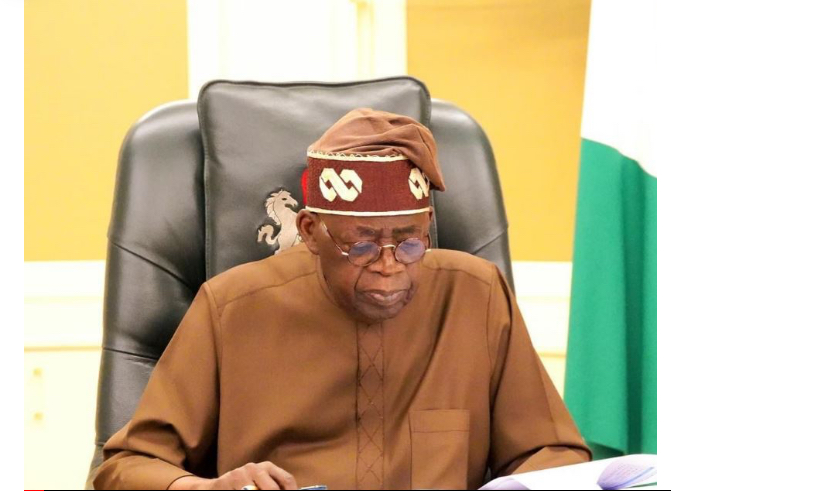
These provisions are outlined in Section 26 of the updated Harmonised Armed Forces Terms and Conditions of Service, which was signed by President Bola Tinubu on December 16, 2024.
A copy of the revised document states: “An officer must not engage in homosexuality, lesbianism, or bestiality.
“He/she must not participate in activities or align with groups such as the Lesbian, Gay, Bisexual, Transgender, Queer or Questioning, Intersex, Asexual, Agender, Two-Spirit (LGBTQIA2S+) community, nor engage in cross-dressing, among other actions.”
The code further specifies that: “An officer is prohibited from body piercing or tattooing any part of their body. Disorderly conduct, brawling, or any actions leading to public disgrace are also banned.
“Officers must not be intoxicated, whether on or off duty.”
The revised conditions also forbid officers from having romantic or sexual relationships with subordinates or the spouses of fellow officers and personnel.
It further stated: “An officer must not have an amorous relationship with any soldier, rating, airman, airwoman, or with the spouse of another officer or soldier.” Additionally, military personnel are required to meet all financial obligations, including vehicle licensing and insurance, in a timely manner.
READ ALSO : 19 die as Chad foils military coup
The document stresses that failure to do so, or the issuing of a bad cheque, constitutes an offence.
“An officer must settle all financial obligations properly and punctually, especially those required by law or contract.
“It is a serious violation for an officer to be caught failing to license or insure their vehicle, or to be behind on other legal financial obligations,” the document reads.
The service conditions further said “an officer shall not be a member of any secret society or political party, nor engage in any related activities, even in an observatory capacity.”
It clarifies that cultural or purely traditional religious societies are not considered secret societies and are therefore exempt.
Military personnel are also banned from engaging in private business ventures or using government property for personal gain.
“An officer must not operate a private business or use government property, name, position, or influence in any commercial activity that might interfere with their duties or discredit the Service,” the document reads.
Officers are also prohibited from accepting gifts, favours, or entertainment from junior officers or other subordinates, such as soldiers, ratings, or airmen.
The revised code, however, does not specify the exact disciplinary measures or punishments for any violations of these rules.
Crediblenewsng.com