The Christian Association of Nigeria, CAN, has strongly condemned the decision by the governments of Bauchi, Katsina, Kano, and Kebbi States to shut down all public and private schools to accommodate the Ramadan fasting period.
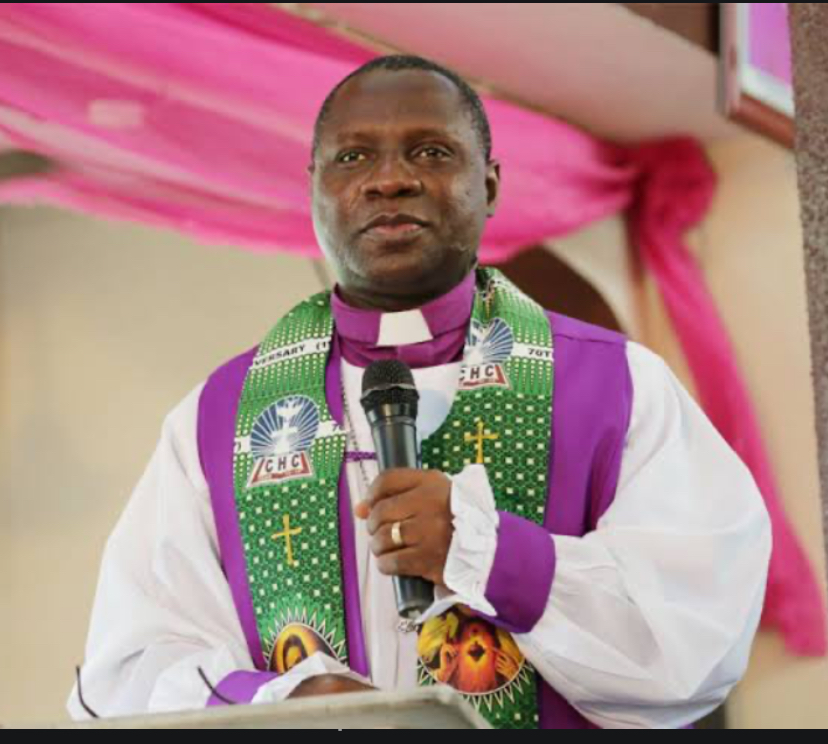
In a statement issued on Sunday in Abuja, CAN President Archbishop Daniel Okoh expressed his concerns, calling the move a significant threat to education continuity, equity, and national unity.
He warned that these closures would further exacerbate the already critical issue of out-of-school children in the affected states.
“Bauchi, Katsina, Kano, and Kebbi already have alarming out-of-school rates, averaging 44%, far above the national average. Prolonged school closures will deepen this crisis,” the statement read.
CAN also decried the lack of broad consultation before the directive was issued, emphasizing that leadership in the affected states failed to adequately engage CAN representatives.
The association stressed the importance of inclusive dialogue when crafting policies that impact diverse populations, including Muslims, Christians, and others.
“It is vital that decisions of this nature are made through inclusive dialogue. Unilateral decisions undermine trust and unity within our society,” CAN stated.
Drawing comparisons with Islamic-majority countries such as Saudi Arabia and the UAE, CAN pointed out that these nations do not close schools for the entire fasting period, instead opting for adjusted schedules or flexible learning arrangements.
The association argued that northern Nigerian states should adopt a similar approach, suggesting that a five-week closure is excessive.
READ ALSO : Bauchi closes schools for Ramadan
The Christian body urged the governors of Bauchi, Katsina, Kano, and Kebbi to reconsider their decisions and engage in dialogue with relevant stakeholders, including religious bodies, school owners, and civil society. CAN also warned that it would seek legal recourse if the closures continue.
“If these rights continue to be jeopardized, we are prepared to seek restraining orders through the courts to protect the constitutional right to education and freedom of conscience,” Archbishop Okoh stated.
In conclusion, CAN reaffirmed its commitment to promoting peace and harmony among different faiths in Nigeria but emphasized that the rights of students and families who do not observe Ramadan must be respected.
“We must build a Nigeria where faith and progress harmonize. We urge the governors to reconsider these policies in the spirit of fairness and national cohesion,” the statement concluded.
Data from the National Bureau of Statistics shows that Bauchi, Kano, Katsina, and Kebbi States have some of the highest rates of out-of-school children in the country, well above the national average. Bauchi State, for example, has the highest rate at 54%, followed by Kebbi at 45%, Katsina at 38%, and Kano at 35%.
Crediblenews could recall that the Bauchi State government had ordered a five-week school closure, from February 26, 2025, to April 5, 2025, due to the Ramadan period.
Similarly, the Katsina State Hisbah Board issued a directive on February 27, 2025, instructing the closure of all private schools in the state during Ramadan, with consequences for non-compliance.
The controversy over the school closures has sparked a national debate about balancing religious observance with the educational needs of Nigerian students.
With the intervention of CAN, this could lead to a legal and policy battle regarding the governance of schools in Nigeria.
Crediblenewsng.com