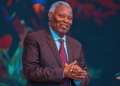
Surgical Oncologist, Prof. Emmanuel Ezeome has expressed deep concern over the rapid increase in breast cancer cases in Sub-Saharan Africa, particularly in Nigeria.
A keynote speaker at the Roche Breast Cancer Summit 2025 in Lagos on Wednesday, Ezeome highlighted a disturbing trend: the number of breast cancer cases in the region has surged by 247%, rising from just over 28,000 to more than 83,000 new cases. Nigeria, he noted, accounts for the bulk of these cases.
The two-day summit, themed “United by Unique: Advancing Breast Cancer Care in Nigeria,” brought together experts in the field to address the escalating crisis.
Ezeome, a Professor of Surgery at the University of Nigeria, Nsukka, and Head of the General Surgery Division at the University of Nigeria Teaching Hospital, Enugu, referred to a recent study published in the British Medical Journal, based on data from the Global Burden of Disease project.
“Breast cancer is increasing at an alarming rate in most of Sub-Saharan Africa, particularly in Nigeria,” he stated.
He pointed out that while the age-standardized incidence rate in Sub-Saharan Africa remained relatively stable at 29.7 cases per 1,000 individuals over the last 30 years, Nigeria saw a dramatic rise, with the rate increasing from 24.9 to 38.2 cases per 1,000, marking a staggering 296% increase.
On the issue of mortality, Ezeome revealed that breast cancer-related deaths have risen by 184% across the continent, with Nigeria showing the steepest increase. The age-standardized mortality rate in Nigeria climbed from 19.3 to 26.9 per 1,000 individuals—a 22 to 23% rise.
He attributed the increase to several factors, including higher life expectancy, an aging population, and changes in lifestyle.
Ezeome stressed that early detection and timely treatment are critical in combating the disease, as delays—both institutional and patient-related—have a significant impact on survival rates.
The professor called for immediate action to address the alarming trend of late-stage presentations of breast cancer and stressed the need for reliable data to inform policies and interventions.
He advocated for strengthening the National Cancer Registry to provide accurate statistics that can guide efforts in combating cancer nationwide.
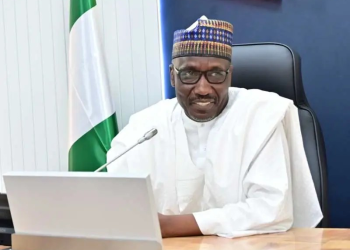
Prof. Usman Malami, Director-General of the National Institute for Cancer Research and Treatment, echoed similar concerns, pointing out the current gaps in awareness, detection, treatment, and palliative care for breast cancer in Nigeria. Malami, represented by Prof. Musa Ali-Gombe, Director of Clinical Services at NICRAT, emphasized the urgent need for improved policies, better funding, and enhanced infrastructure to improve cancer care outcomes.
“While initiatives like the ‘Big October campaign’ and social media awareness drives have brought attention to the issue, screening rates remain low,” Malami said.
READ ALSO: NICRAT gathers experts in Abuja to discuss cancer scourge
He added that NICRAT is working to expand access, improve early detection, and introduce advanced treatments, including innovative therapies and surgeries. He stressed that partnerships are crucial to overcoming financial barriers and increasing community participation.
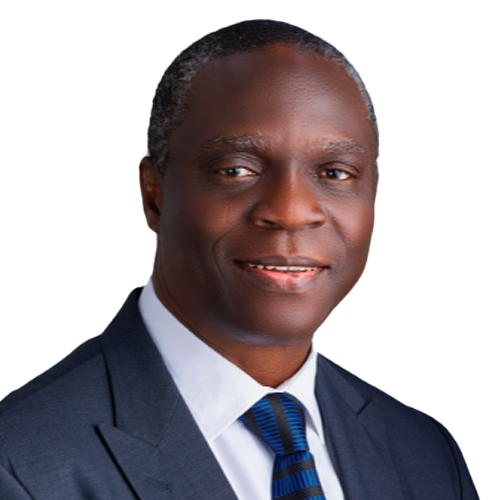
Dr. Ladi Hameed, General Manager of Roche Nigeria, highlighted the growing need for treatment scaling due to Nigeria’s large population and rising cancer incidence. He underscored the importance of health insurance in reducing out-of-pocket expenses for patients and praised the success of Roche’s cancer medications in improving survival rates over the past two decades.
Hameed also spoke about the African Breast Cancer Ambition, which has now been localized as the Nigerian Breast Cancer Ambition, describing it as a critical step in addressing the cancer burden in the country.
“Breast cancer is the most prevalent and emotionally charged cancer, not only in Nigeria but across Africa,” Hameed said. “If we can effectively manage breast cancer, equip hospitals, train healthcare professionals, and modernize laboratories, it will serve as a model for managing other cancers across the continent.”
The summit brought together experts and stakeholders in the fight against breast cancer, focusing on the critical need for early detection, better treatment options, and increased awareness to combat the rising incidence of breast cancer in Nigeria and Sub-Saharan Africa.
NAN