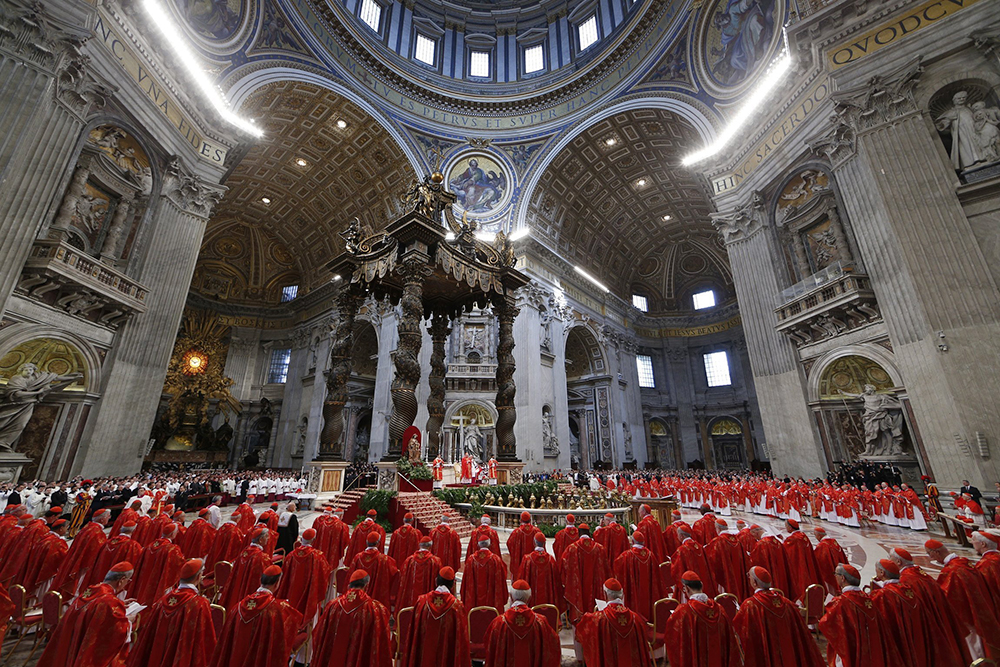
The Papacy in today hosting the papal conclave, the centuries-old ritual to choose a new Pope.
The conclave brings together the College of Cardinals in the iconic Sistine Chapel, where they will remain sequestered until a new pope is chosen through secret ballot and spiritual deliberation.
The term “conclave” is derived from the Latin “cum clave” meaning “with a key,” highlighting the secrecy of the event, during which all participating cardinals are effectively locked inside the Vatican until they reach a consensus.
To ensure the integrity and spiritual purity of the process, the 120 eligible cardinal-electors will be cut off from all external communication. They will not be allowed to read newspapers, access the internet, send or receive mail, or use phones, television, or radios.
This enforced isolation is designed to prevent any external influence from swaying the deliberations.
All cardinals involved in the conclave will take an oath of secrecy and will be housed in the Domus Sanctae Marthae (Saint Martha House), a modern Vatican guesthouse built in the 1990s. This replaced the previously cramped quarters in the Apostolic Palace that were used in earlier conclaves.
The voting itself is steeped in ritual. Each day begins with a solemn Mass and continues with up to four ballots daily: two in the morning and two in the afternoon. A single vote is taken on the first day. For a candidate to be elected pope, they must receive a two-thirds majority.
Each cardinal writes the name of his preferred candidate on a ballot headed with the Latin words “Eligo in summum pontificem” (I elect as supreme pontiff…). To maintain anonymity and prevent bias, cardinals are encouraged to disguise their handwriting.
The ballots are collected in one of three ceremonial urns—one for casting votes, one for storing counted ballots, and a third used to gather votes from any ailing cardinals unable to attend in person but present within the Vatican.
After each round, the ballots are burned. Dark smoke rising from the chimney above the Sistine Chapel signals an inconclusive vote. When a new pope has been elected, white smoke and the ringing of bells announce to the world that the Church has a new spiritual leader.
Should no candidate secure the necessary majority after three full days, the process pauses for a day of prayer, reflection, and informal discussion, as outlined in Universi Dominici Gregis, a 1996 apostolic constitution issued by Pope John Paul II to govern papal elections.
Though conclaves have historically lasted months or even years—most notably the nearly three-year-long conclave of the 13th century—modern conclaves rarely exceed one week. The 2013 conclave that elected Pope Francis lasted only two days.
When a candidate finally secures the required votes, he is asked a simple yet life-changing question: “Do you accept your canonical election as Supreme Pontiff?” Upon answering “Yes,” the new pope immediately assumes office and announces the papal name he will be known by—often inspired by past popes or saints he admires.
The world then waits in reverent anticipation as the cardinal protodeacon—currently French Cardinal Dominique Mamberti—steps onto the central balcony of St. Peter’s Basilica to deliver the cherished words:
“Habemus papam” – We have a pope.
It is then, with prayers and pageantry, that a new spiritual era begins for the Roman Catholic Church.
NAN