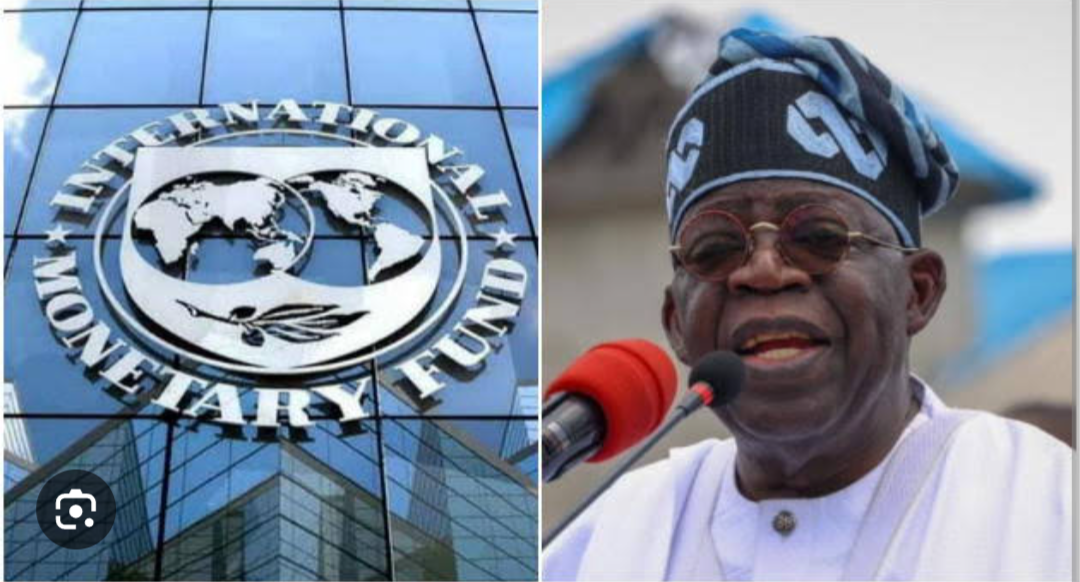
The Presidency has raised concerns over what it described as the unsettling and potentially inflammatory remarks made by the International Monetary Fund, IMF, regarding President Bola Tinubu’s economic reforms.
Presidential Special Adviser on Economic Affairs, Tope Fasua, speaking on Channels Television’s The Morning Brief, stated that the IMF’s frequent criticism could incite public dissatisfaction against the government.
“IMF’s statements risk pitching the Nigerian people against the Tinubu administration,” Fasua warned. “Give us a break; let us understand where we’re headed before you come at us from every angle and throw us off track. We’ve done the right things. They keep asking for more, but the government has the right to evaluate the reforms first.”
READ ALSO: Nigeria repays $3.4 billion IMF loan
Quoting President Tinubu, Fasua added, “‘Let the poor breathe.’ This administration has introduced some of the boldest reforms we’ve seen in years. For instance, the recently signed tax bills offer relief to low-income earners and double the tax threshold for small businesses.”
He criticized the IMF’s approach as excessive and disruptive. “Sometimes, it feels like they’re in overdrive almost every few days, there’s a new statement about Nigeria. It leaves everyone confused,” he said.
Fasua highlighted that Nigeria recently repaid a $3 billion COVID-19 loan to the IMF, a feat many nations have yet to achieve yet the country continues to face mounting pressure from the institution. “We’re not asking for applause,” he said. “Just some breathing room to implement these policies.”
He also questioned the IMF’s contradictory roles, noting that its advisory and lending positions often clash. “Sometimes their advice conflicts with their lending posture. We don’t even know which one to trust.”
Addressing the cost-of-living crisis and inflation, Fasua acknowledged IMF concerns but stressed that tangible progress is underway. “They want us to keep raising interest rates, but those are stabilizing now. Inflation is coming down gradually and will likely drop further. An economist should not be a fantasist.”
He criticized the IMF for unrealistic expectations. “Do they expect inflation to fall to single digits in one quarter? That’s not practical,” he said, urging Nigeria to invest in its own data systems instead of relying heavily on institutions like the IMF.
In its recent report, How Nigeria Can Unleash Its Economic Potential, the IMF acknowledged Nigeria’s reform efforts but highlighted ongoing challenges such as high inflation, poor infrastructure, and widespread poverty.
The report praised moves like liberalizing the forex market, ending fuel subsidies, and halting central bank deficit financing. However, it warned that despite progress, challenges like inflation above 20%, lack of social safety nets, and poor public services remain.
It advised strengthening budgetary frameworks, channeling savings from subsidy removal into public investments, and aligning tax rates with regional standards once the social safety net becomes fully functional. The IMF also urged the Central Bank of Nigeria to maintain a tight monetary stance to bring inflation down and restore confidence.
Ultimately, Fasua concluded that Nigeria is on the right path and needs space, not constant external pressure, to deliver sustainable results.
GREENBREPORTERS