Nepal has taken its first major step toward restoring political order following a wave of violent, youth-led anti-corruption protests that toppled the previous government.
On Monday, the nation’s newly appointed interim prime minister, Sushila Karki, unveiled the first members of her cabinet in a ceremony designed to signal stability amid national turmoil.
Under an outdoor awning beside the charred ruins of the presidential office—set ablaze during the unrest—President Ram Chandra Paudel swore in three key ministers.
The broadcast ceremony was intended as both a symbolic act of resilience and a demonstration of the government’s determination to move quickly in addressing popular grievances.
The protests erupted on September 8 after the government imposed a controversial ban on social media, which critics described as an attempt to stifle dissent.
What began as peaceful demonstrations swiftly escalated into widespread riots, with parliament and several government buildings attacked and torched.
At least 72 people were killed in just two days of clashes, while 191 others remain hospitalized with injuries, according to government figures.
The scale of the violence has drawn comparisons to the turmoil that followed the end of Nepal’s decade-long civil war and the abolition of its monarchy in 2008.
The protests, fueled by deep frustration with corruption and economic stagnation, reflect the anger of young Nepalis.
According to the World Bank, one in five people aged 15 to 24 in Nepal are unemployed, and per capita GDP remains one of the lowest in South Asia, at just \$1,447.
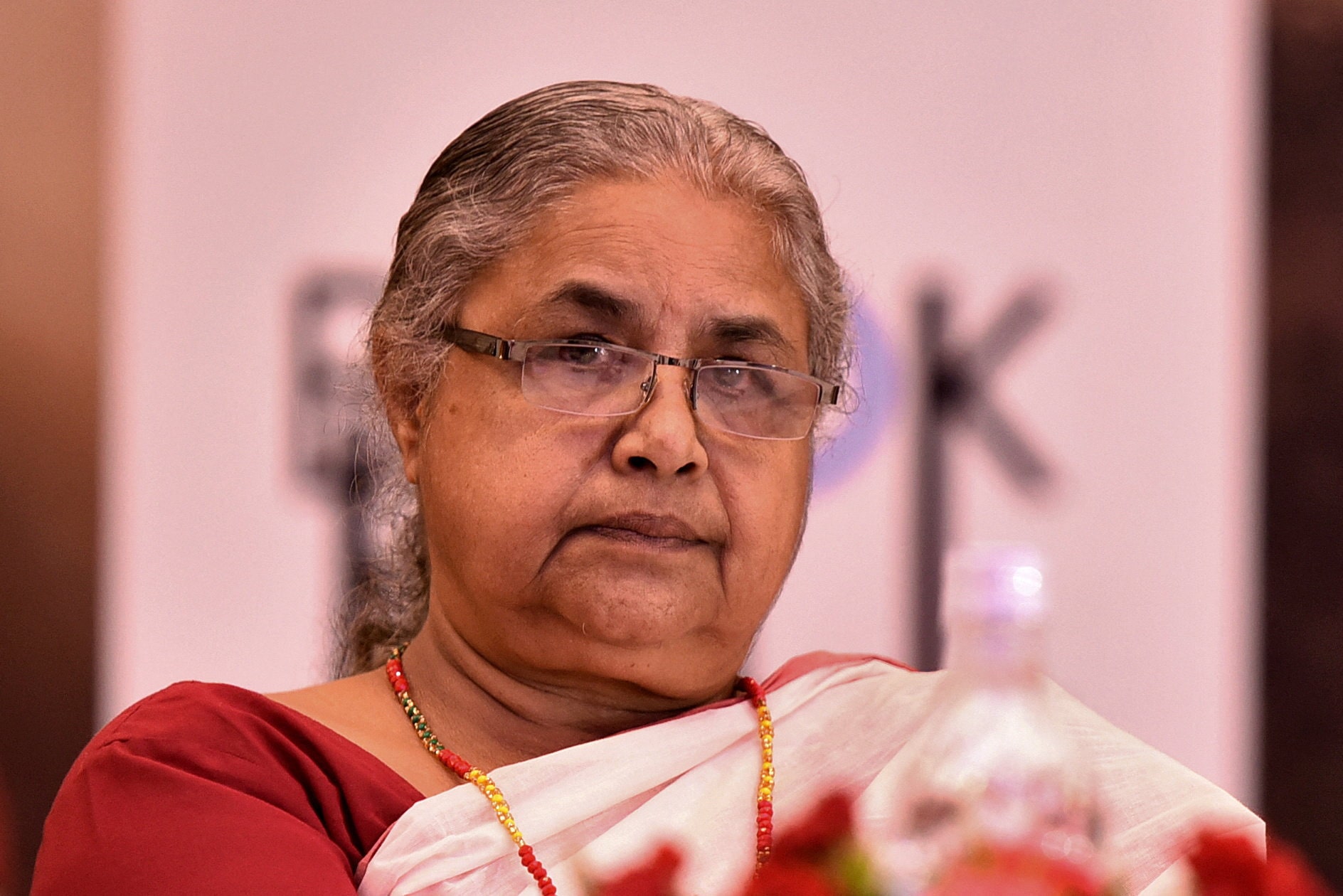
At the center of this moment is Prime Minister Sushila Karki, a 73-year-old former chief justice of Nepal’s Supreme Court.
Widely respected for her integrity during her judicial career, Karki was appointed as interim leader to restore public trust and oversee the country until elections scheduled for March 2026.
ALSO READ: Nepal Prime Minister, Khadga Oli takes oath of office for fourth time
Her mandate is daunting: she must navigate demands for sweeping reforms, stabilize the political climate, and rebuild confidence in government institutions battered by allegations of corruption and inefficiency.
In her first major decision as prime minister, Karki appointed three cabinet ministers seen as reform-minded and capable of addressing the root causes of discontent.
Om Prakash Aryal, a prominent lawyer known for his activism on corruption, governance, and human rights, was named Home Minister, with additional responsibility for law, justice, and parliamentary affairs.
His appointment signals a strong emphasis on legal reforms and the protection of civil liberties.
Kulman Ghising, the widely praised former director of the Nepal Electricity Authority, was assigned the energy, infrastructure, transport, and urban development portfolios.
Ghising is credited with ending the country’s crippling power outages—known as load-shedding—that once defined daily life in Nepal, making him a popular choice among citizens.
Rameshwor Khanal, a former finance secretary and respected economist, was appointed as Finance Minister.
Khanal faces the critical task of addressing unemployment and revitalizing Nepal’s struggling economy, both key triggers of the recent uprising.
These appointments appear designed to reassure citizens that the interim government will focus on competence and reform rather than political patronage.
While the naming of the first ministers is a significant step, observers caution that Nepal’s challenges remain immense.
Protesters’ demands go beyond personnel changes: they are calling for a systemic transformation that eliminates corruption, creates jobs, and guarantees transparency in governance.
Prime Minister Karki has pledged to listen to citizens and prioritize reforms, but her government must also maintain security and prevent renewed unrest.
The road to the March elections will be closely watched, both within Nepal and internationally.
For many Nepalis, the interim government represents a final chance to prove that democracy can deliver stability and opportunity, rather than frustration and unrest.