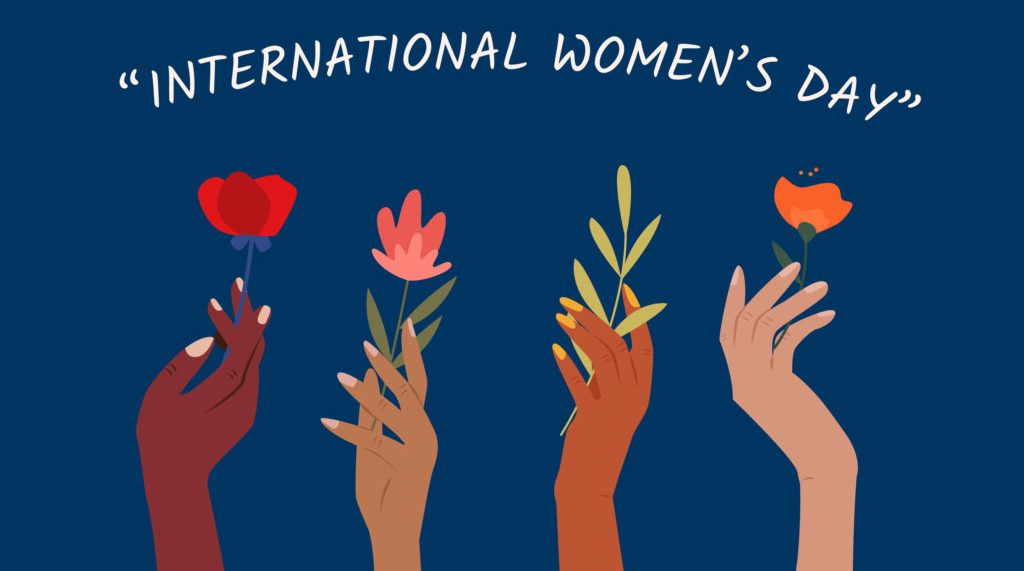
As the world observes International Women’s Day, the focus intensifies on the progress made in the ongoing journey towards gender equality.
This year’s campaign theme, #InspireInclusion, as highlighted by the International Women’s Day website, underscores the collective effort needed to foster inclusivity.
Across the globe, communities come together to celebrate the accomplishments of women, challenge gender stereotypes, and confront the various obstacles that women still encounter worldwide.
highlights 10 facts to know about International Women’s Day:
1. Origin and Historical Roots:
International Women’s Day has its roots in the labor and socialist movements of the early 20th century. The first National Women’s Day was organized by the Socialist movement in the United States and occurred on February 28, 1909. The idea of turning it into a global event gained traction at the 1910 International Women’s Confer
2. Celebration Date:
Recognising the achievements and contributions of women globally, the day is observed annually on March 8. The United Nations officially endorsed this date in 1977, establishing it as a day to honour women worldwide.
3. United Nations Recognition:
Designated an official day of observance by the United Nations in 1977, International Women’s Day serves as a platform to address various aspects of gender equality and women’s rights, with the annual theme changing to reflect pertinent issues.
4. Global Theme:
Each year, International Women’s Day adopts a global theme reflecting contemporary challenges. Previous themes include “Choose to Challenge,” “Press for Progress,” and “Equality for Women is Progress for All.”
5. Purple Symbolism:
Recognised as the official colour of International Women’s Day, purple symbolises justice and dignity. Linked to the feminist movement since the early 1900s, it represents the ongoing pursuit of gender equality.
READ ALSO: IWD: women inclusion, accelerating progress
6. Women’s Rights and Suffrage:
Integral to the fight for women’s rights and suffrage, International Women’s Day has been a platform for advocating voting rights and combating discrimination in various forms.
7. International Women’s Day Logo:
The logo features a symbol resembling the female gender sign with a raised fist, symbolising solidarity and the continuous struggle for women’s rights.
8. Global Celebrations:
International Women’s Day is widely observed and celebrated in numerous countries worldwide. Events such as marches, rallies, discussions, and cultural performances contribute to raising awareness about gender equality.
9. 2024 Campaign theme:
The theme for International Women’s Day 2024 is #InspireInclusion. By inspiring understanding and appreciation for women’s inclusion, we contribute to creating a better world. When women are inspired to embrace inclusion, they experience a profound sense of belonging, relevance, and empowerment. Let’s collectively forge a more inclusive world for women.
10. Ongoing Challenges:
Despite advancements, women globally continue to face challenges, including gender-based violence, unequal pay, limited access to education and healthcare, and underrepresentation in leadership roles. International Women’s Day serves as a poignant reminder of the ongoing efforts required to achieve genuine gender equality.
International Women’s Day 2024
Indeed, International Women’s Day is not only commemorated globally but also at the grassroots level.
Communities, organizations, and individuals come together to host events, workshops, and discussions tailored to address the unique challenges faced by women in their local contexts.
This day provides an opportunity for reflection on the progress achieved and the goals yet to be attained in the realm of gender equality.
The emphasis is on pinpointing areas requiring further improvement, with discussions often centering around shaping policies and practices conducive to fostering gender equality on a worldwide scale.