The Oyo State Ministry of Health has closed two hospitals in Saki West Local Government Area after a suspected Lassa fever outbreak led to four deaths.
This follows investigations by the Oyo State Rapid Response Team, RRT, after receiving distress calls from residents about unexplained deaths in the community.
The fatalities included three men and a 32-year-old woman preparing for her wedding. According to a statement from the Commissioner for Information, Dotun Oyelade, the investigation was initiated by the State Commissioner for Health, Dr. Oluwaserimi Ajetunmobi. The RRT, comprising health officials, WHO, and Red Cross representatives, discovered that one apprentice who had recently returned from Iwajowa Local Government Area may have introduced the infection, which reportedly spread to other staff members and the hospital owner.
The deceased individuals showed symptoms typical of Lassa fever, such as craniofacial bleeding. After self-medicating, the hospital owner was eventually admitted when his condition worsened. Health officials have carried out extensive contact tracing, focusing on high-risk individuals involved in handling the deceased.
To prevent further spread, the hospitals involved have been shut down for thorough decontamination, and a doctor from one of the facilities is under surveillance. The state is conducting public awareness campaigns to educate residents on Lassa fever’s transmission, symptoms, and prevention. Training sessions were also held to reinforce infection control practices among healthcare workers in the area.
READ ALSO: NCDC activates Emergency Operations Centre to coordinate response to Lassa fever outbreak
With the outbreak spreading to Iwajowa and Kajola LGAs, containment efforts are being coordinated at the local level while awaiting the full deployment of the state’s RRT.
Lassa fever is an acute viral haemorrhagic illness caused by Lassa virus, a member of the arenavirus family of viruses.
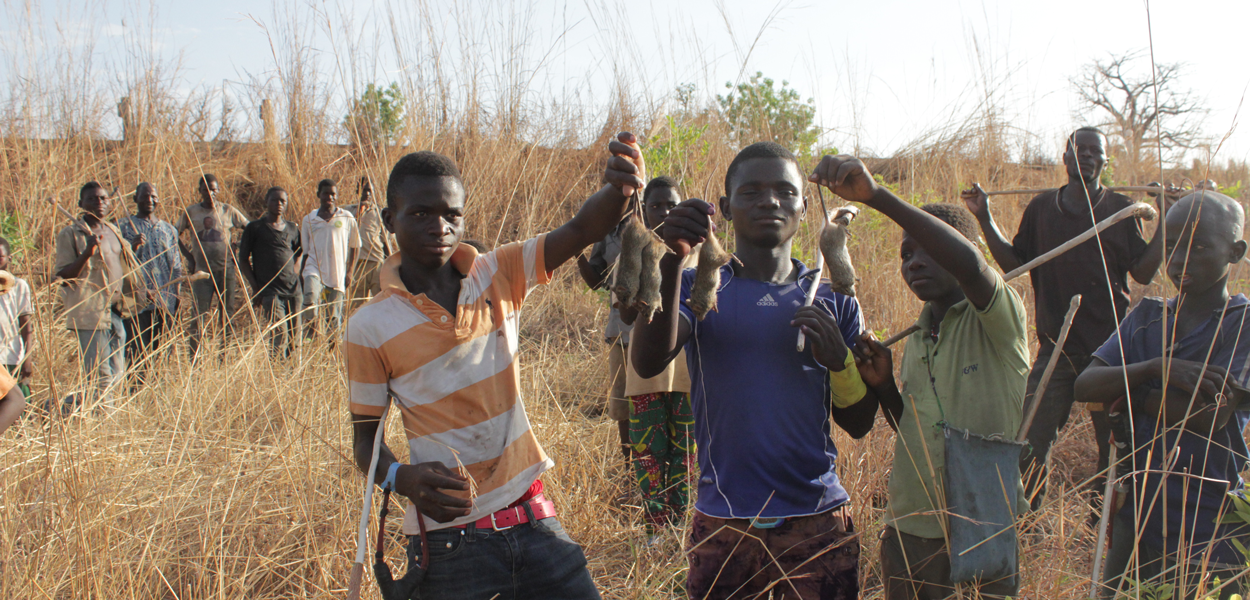
Humans usually become infected with Lassa virus through exposure to food or household items contaminated with urine or faeces of infected Mastomys rats. The disease is endemic in the rodent population in parts of West Africa.
Lassa fever is known to be endemic in Benin, Ghana, Guinea, Liberia, Mali, Sierra Leone, Togo and Nigeria, but probably exists in other West African countries as well.
Person-to-person infections and laboratory transmission can also occur, particularly in health care settings in the absence of adequate infection prevention and control measures.
Diagnosis and prompt treatment are essential. The overall case-fatality rate is 1%. Among patients who are hospitalized with severe clinical presentation of Lassa fever, case-fatality is estimated at around 15%. Early supportive care with rehydration and symptomatic treatment improves survival.
About 80% of people who become infected with Lassa virus have no symptoms. 1 in 5 infections result in severe disease, where the virus affects several organs such as the liver, spleen and kidneys.
Credible News.ng