Dr. Gabriel Adakole, a public health expert, has called for a coordinated approach to tackle Nigeria’s twin crises of malnutrition and tuberculosis, warning that millions of children are at risk.
In an interview in Abuja, Adakole stressed the urgent need for a comprehensive strategy to combat these interlinked health challenges, which are worsening child mortality rates.
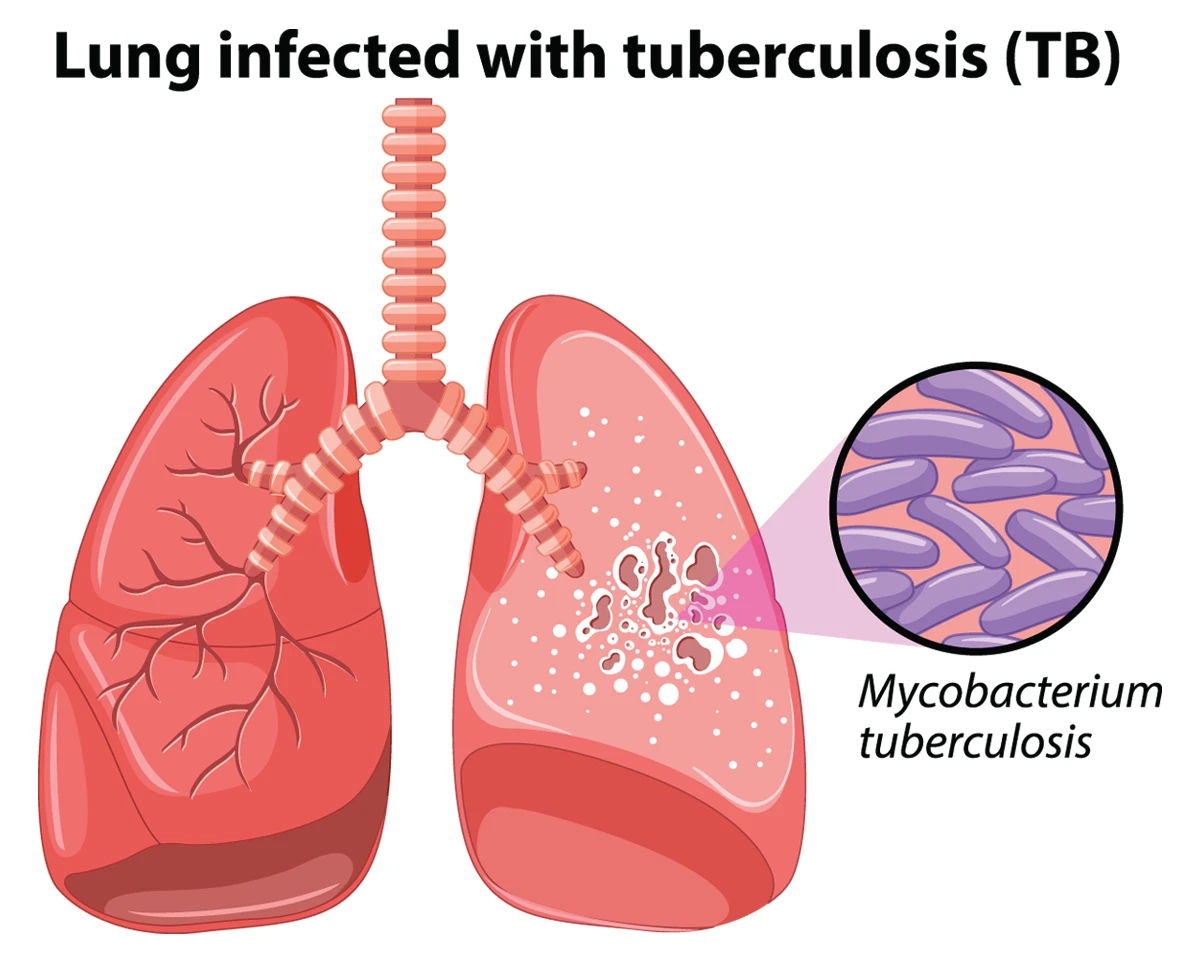
He explained that TB, a contagious bacterial infection primarily affecting the lungs, spreads through airborne droplets when an infected person coughs or sneezes. Common symptoms include persistent cough, weight loss, fever, and night sweats.
“Malnutrition weakens the immune system, making children more vulnerable to infections like TB. In Nigeria, many children with TB are already malnourished when they seek care. Without nutritional support, their chances of recovery are lower,” he said.
The World Health Organization, estimates that Nigeria records 77,000 childhood TB cases annually, yet only a fraction—about 8,441—are officially reported due to poor diagnosis and limited access to healthcare.
At the same time, malnutrition is worsening, with a recent study by international development partners indicating that more than 31.8 million Nigerians face acute food shortages, with children being the most affected.
READ ALSO: WHO delivers leprosy drugs to Nigeria
Adakole urged the government to integrate nutritional support into TB treatment programs at all healthcare levels, recommending increased funding for TB-specific initiatives that provide food supplements for malnourished children.
He also called for stronger collaboration between TB clinics and nutrition programs, alongside community-based approaches where health workers are trained to identify and refer malnourished TB patients for early intervention.
Dr. Urhioke Ochuko, Head of Childhood Tuberculosis at the National Tuberculosis, Buruli Ulcer, and Leprosy Control Programme, acknowledged the growing TB burden and highlighted existing guidelines that recommend integrating nutrition into TB management.
However, Ochuko noted that poor implementation due to limited resources and weak coordination remained a major obstacle.
“If we want to reduce TB-related deaths, we must address malnutrition as part of the solution. It is not just a health issue; it is a survival issue,” he said.
Health experts are now calling for stronger advocacy and political commitment to ensure that nutrition becomes a standard component of TB care, emphasizing that saving children from these preventable diseases requires urgent and decisive action.
NAN