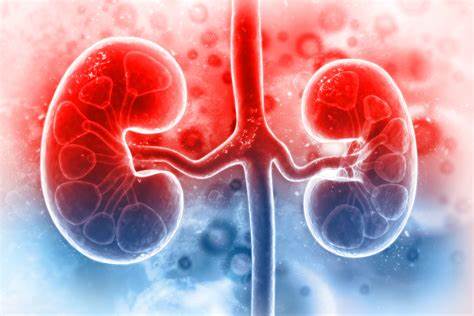
It starts quietly—no pain, no obvious symptoms. By the time the signs appear, it’s often too late. Across Nigeria, millions are living with kidney disease without knowing it, and when they finally get diagnosed, survival becomes a battle against time and cost.
Kidney disease is spreading rapidly, yet awareness remains dangerously low. Studies show that 90% of affected Nigerians do not realize they have it until the condition is severe. Without early detection, treatment options become limited, and survival rates plummet.
Every year, 95% of Nigerians with chronic kidney disease,CKD, die, mostly due to the high cost of treatment and lack of access to specialized care. Dialysis is expensive, and kidney transplants are out of reach for the average citizen, leaving thousands with no hope.
Nigeria has only 250 active nephrologists—a shocking number compared to the estimated 120,000 needed to provide adequate care. This shortage leaves many communities, especially in rural areas, with little or no access to life-saving kidney treatments.
READ ALSO: Expert urges urgent action against tuberculosis
Dr. Augusto Cesar Soares Dos Santos Jr. of the WKD Joint Steering Committee reminds the world that March 13, is World Kidney Day. This year’s theme, “Are Your Kidneys OK? Detect early, protect kidney health,” highlights the importance of early screening, lifestyle changes, and increased awareness as crucial steps to reducing kidney-related deaths.
Preventing kidney disease requires proactive health choices and regular checkups. Nigerians can protect their kidneys by drinking enough water to support kidney function, eating a balanced diet low in salt and processed foods, and exercising regularly to prevent obesity and high blood pressure. Monitoring blood sugar and blood pressure is crucial, as diabetes and hypertension are leading causes of kidney disease.
Additionally, limiting the use of pain relievers like NSAIDs, which can harm the kidneys when overused, quitting smoking, and reducing alcohol consumption are essential steps for maintaining kidney health. By adopting these habits, individuals can significantly reduce the risk of kidney disease and improve their overall well-being.
Health experts are calling for government intervention to improve kidney care, train more specialists, and launch public awareness programs. Without urgent action, Nigeria’s kidney disease crisis will only worsen.
World Kidney Day 2025 is a wake-up call for Nigerians to take their kidney health seriously. Early detection saves lives. The question remains: Are your kidneys, OK?
Crediblenews.ng.com