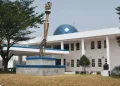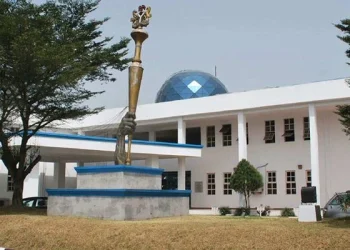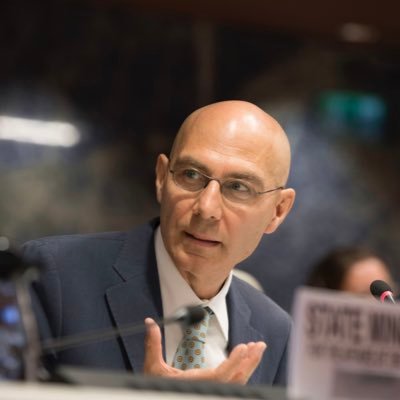
The United Nations High Commissioner for Human Rights, Volker Turk, has condemned the brutal attack on Fambita Mosque in Kokorou village, western Niger, which left 44 worshippers dead, and 20 others injured. The assault, carried out by militants from the Islamic State in the Greater Sahara, occurred on Friday during prayers in the final days of Ramadan.
Gunmen reportedly surrounded the mosque before opening fire on worshippers, killing many on the spot. They then set a local market and several homes ablaze, further deepening the devastation in the community. The attack has been described as a deliberate act meant to cause maximum civilian casualties.
Turk denounced the massacre as a blatant violation of international human rights and humanitarian laws. He stressed the need for an impartial investigation to bring the perpetrators to justice. His remarks come amid growing concerns over the deteriorating security situation in the wider Sahel region, where terrorist attacks have surged in recent years.
The Sahel has witnessed an alarming rise in violence linked to armed groups affiliated with al-Qaeda and ISIL. This wave of terror intensified following the 2012 Tuareg rebellion in Mali, which allowed extremist factions to seize vast territories. Since then, the violence has spread into Niger, Burkina Faso, and even some coastal West African nations.
READ ALSO: US hails NAF, counter terrorism efforts
UN Deputy Secretary-General Amina Mohammed previously described the Sahel as the epicenter of one of the world’s worst security crises. Despite counterterrorism efforts by regional governments, deaths from terrorism-related attacks have exceeded 6,000 annually for the past three years, accounting for more than half of all global fatalities.
The persistent insecurity has fueled political instability, leading to multiple military coups across the region. Mali and Burkina Faso each experienced two coups between 2020 and 2023, while Niger had one in 2023. These countries remain under military rule, despite pressure from regional and international bodies to transition to democratic governance.
Turk warned that the attack on the Fambita Mosque should serve as a wake-up call to the international community. He urged the Nigerien government to take meaningful steps to improve security for civilians and ensure the protection of human rights. He also stressed the importance of engaging local communities in efforts to find a lasting solution to the ongoing crisis.
With extremist violence showing no signs of abating, the call for decisive action to protect civilians has become more urgent than ever.
NAN