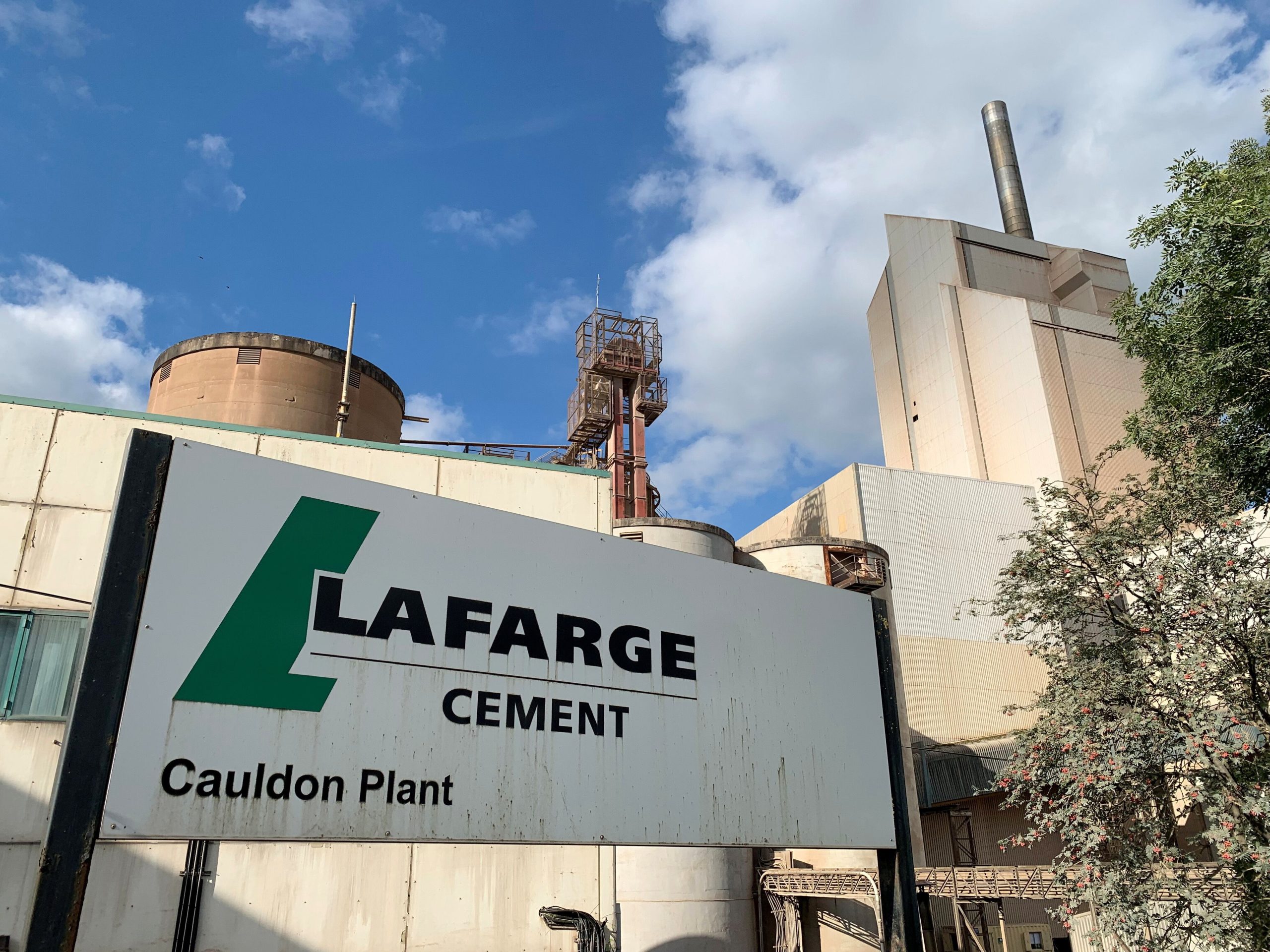
The Nigerian Senate has ordered the Bureau of Public Procurement, to halt the planned sale of Lafarge Cement Plc to a Chinese company, Huaxin Cement Co., citing concerns over national security and economic sovereignty.
Lafarge Cement, a key player in Nigeria’s construction and industrial sectors, operates plants in Ewekoro, Ogun State; Mfamosing, Cross River State; and Ashaka, Gombe State. Lawmakers believe that allowing a foreign entity to control the company could pose long-term risks to the nation’s economy.
During plenary, Senator Shuaib Salisu of Ogun Central raised a motion emphasizing Lafarge Cement’s strategic importance to infrastructure development. He described the company as more than just a business, stating that it provides employment and plays a vital role in economic growth.
Holcim AG, the majority stakeholder in Lafarge Africa with an 83.8 percent share, had agreed to sell its stake to Huaxin Cement Co. in a $1 billion deal set for completion in 2025. However, the Senate expressed concerns that this transaction could result in capital flight, job losses, and weakened regulatory oversight in a crucial sector.
READ ALSO: Dangote accuses Amosun of demolishing cement plant twice
Salisu pointed out that some Nigerian investors had shown interest in acquiring Lafarge but encountered difficulties in participating. He stressed the need for policies that favor local investment and prevent critical industries from falling entirely into foreign hands.
“We cannot afford to wake up one day and realize that our cement industry, one of the backbones of our economy, is no longer controlled by Nigerians,” he said. He called the issue a matter of economic patriotism that requires urgent intervention.
The Senate’s directive aligns with its broader efforts to protect Nigeria’s strategic assets and ensure transparency in major economic transactions. Lawmakers have urged relevant authorities to review the deal and explore ways to keep Lafarge Cement under local control.
As the situation unfolds, regulatory bodies are expected to assess the implications of the transaction and determine whether it aligns with national interests. The outcome of this intervention could set a precedent for future foreign investments in Nigeria’s critical industries.
Crediblenewsng.com