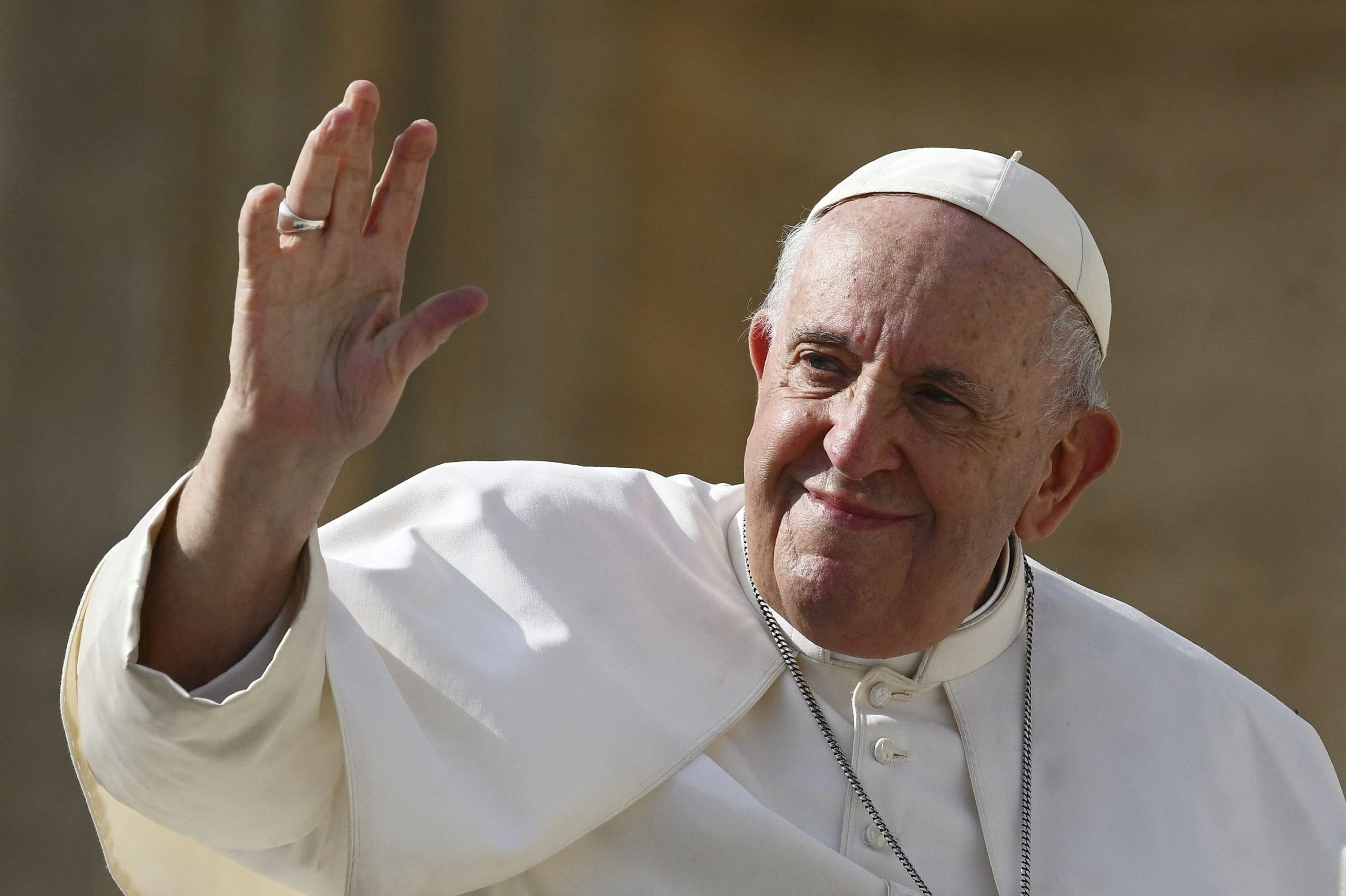
World leaders from various regions and political backgrounds, including U.S. President Donald Trump and Ukrainian President Volodymyr Zelensky, are at the Vatican City for the funeral of Pope Francis, who passed away recently.
The service is being held in St. Peter’s Basilica, a sacred location for the Catholic Church, and is expected to be a poignant event drawing dignitaries, clergy, and faithful from across the globe.
The death of Pope Francis marks the end of a transformative era for the Catholic Church. His papacy was characterized by efforts to modernize the Church, promote interfaith dialogue, and advocate for social justice, including his vocal stance on climate change, poverty, and refugee rights.
Pope Francis’ outreach to the marginalized and his emphasis on peace and unity resonated far beyond Catholic communities, earning him recognition from political and humanitarian organizations worldwide.
In addition to Trump and Zelensky, leaders from countries such as Italy, Spain, and Argentina, as well as religious figures and dignitaries from across the globe, are expected to be in attendance.
The presence of these leaders underscores Pope Francis’ global influence and the widespread respect he garnered during his time as the leader of the world’s largest Christian denomination.
READ ALSO: Pope Francis funeral gets to high gear
While the funeral is a somber occasion, it also marks a moment of reflection on the Pope’s legacy. Many are remembering his tireless efforts to bridge divides between various religious, ethnic, and political groups.
Throughout his papacy, Pope Francis was known for his calls for peace and reconciliation, notably in conflict zones such as Syria and the Holy Land.
His outspoken stance against the arms trade, as well as his advocacy for the poor and refugees, drew both praise and controversy, but solidified his standing as one of the most influential figures in modern religious history.
The funeral will also serve as a moment of introspection for the Catholic Church, which faces challenges related to declining attendance in some parts of the world, clerical abuse scandals, and the evolving role of women in the Church.
As the world watches, many will be looking for signs of the future direction the Church will take in the wake of Pope Francis’ passing.
This historic event comes at a time of political turmoil and global instability. The presence of leaders such as President Zelensky, who is navigating the ongoing war in Ukraine, signals the political dimensions of the occasion, with the Pope’s messages of peace resonating even more in the context of current world events.
As the ceremony unfolds, the Vatican, as well as the world, will reflect on the enduring importance of Pope Francis’ call for compassion, dialogue, and collective action to address global issues.
NAN