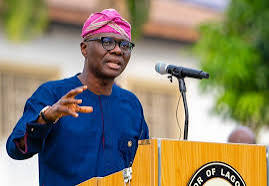
Worried by frequent building collapse ad loss of lives, Lagos State Governor Babajide Sanwo-Olu has urged the adoption of a unified, enforceable building code to prevent avoidable deaths and ensure durability.
In a bid to tackle recurring building collapses in Lagos, Governor Babajide Sanwo-Olu has championed the introduction of a unified national building code that can be adapted to local conditions. He stressed that building collapses, which have led to multiple deaths and significant property damage, often result from design flaws, use of substandard materials, poor workmanship, and inadequate supervision.
Sanwo-Olu’s remarks come amid ongoing efforts by the Lagos State government to reinforce regulatory frameworks in the construction sector. He cited past tragedies, such as the Ikoyi building collapse of 2021, which claimed numerous lives and prompted investigations and reforms.
READ ALSO:Tinubu, Sanwo-Olu reconcile after political fallout
To prevent future incidents, the Governor unveiled the Certified Accreditors’ Programme ,CAP, developed by the Lagos State Building Control Agency ,LASBCA. The initiative fosters collaboration between government regulators and private-sector professionals to enforce safety standards through inspections and certifications.
“The adoption of a uniform building code is not merely regulatory but foundational to fostering a safer built environment and restoring confidence among investors and residents alike,” Sanwo-Olu said. He urged architects, engineers, developers, and contractors to uphold high professional standards and avoid shortcuts that contribute to structural failures.
The Lagos government is also implementing complementary measures, including the Comprehensive Structural Investigation Programme, which mandates integrity assessments on buildings every five years. Public vigilance is encouraged, with residents urged to report substandard construction or unauthorized developments.
Governor Sanwo-Olu emphasized that reducing building collapses would not only save lives but also enhance urban aesthetics, boost tourism, and drive economic growth. “A safer, more organized Lagos is a commitment we owe to ourselves and future generations,” he added.
His administration’s multifaceted approach combining policy, professional oversight, public engagement, and legislative frameworks aims to make Lagos a model of sustainable urban development in Africa, minimizing the risk of future tragedies caused by building collapses.
NAN