As Nigeria approaches its 65th Independence anniversary on October 1, the Federal Government has announced that the celebrations will be marked in a low-key but symbolic fashion, focusing on values, unity, and responsible citizenship rather than elaborate pageantry.
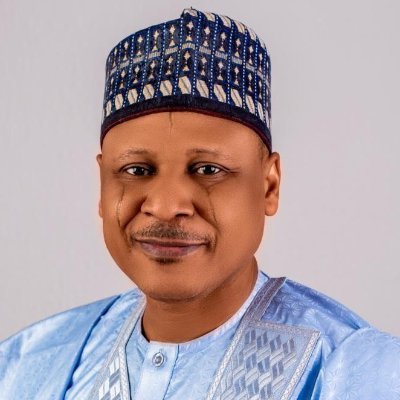
The Minister of Information and National Orientation, Alhaji Mohammed Idris, disclosed this on Monday during a pre-Independence World Press Conference in Abuja.
He explained that the theme of this year’s commemoration is “All Hands on Deck,” a phrase chosen to highlight the collective responsibility of government and citizens in building a stronger nation.
“Activities will be low-key,” the minister said. “We started with the Jummat Prayers on Friday, followed by the Thanksgiving Service on Sunday. Other events include the unveiling of the National Value Charter by the National Orientation Agency, NOA, and a National Students’ Debate to engage the younger generation.”
The National Value Charter, a central feature of the anniversary, is designed as a framework to cultivate national pride and foster responsible citizenship.
According to Idris, it is anchored on two pillars—the Nigerian Promise, which spells out government’s commitments to uphold values such as democracy, inclusivity, peace, freedom, equality, and meritocracy; and the Citizen’s Code, which outlines individual responsibilities like discipline, accountability, tolerance, environmental awareness, and resilience.
The minister explained that the charter represents a long-term social contract between government and citizens, aimed at strengthening the moral and cultural fabric of the nation.
ALSO READ: 65th Independence: FG seeks Nigerians’ patience on reforms
The NOA plans to implement the charter through sensitisation campaigns, collaboration with traditional and community leaders, and innovative digital platforms that can reach millions of Nigerians across social divides.
“The charter is not just a government document; it is a shared vision,” Idris said. “It requires every Nigerian to live up to values of discipline, care, and accountability, while the government must continue to uphold freedom, inclusivity, and fairness. Together, this balance can form the foundation of a united and resilient Nigeria.”
In previous years, Independence anniversaries often featured large-scale parades and high-profile public ceremonies.
However, Idris emphasized that this year’s events are intentionally designed to be reflective and participatory rather than ceremonial.
The National Students’ Debate, he added, is an opportunity to engage young Nigerians in conversations about democracy, civic duty, and the responsibilities of citizenship.
By giving young voices a platform, the government hopes to inspire a new generation of leaders rooted in values of service, tolerance, and patriotism.
As the country turns 65, the emphasis on values appears to be the government’s way of responding to long-standing questions about national unity, corruption, and the erosion of trust in public institutions.
Idris urged Nigerians at home and abroad to see the anniversary as “a call to action to put all hands on deck, for no one person, group, or government can build Nigeria alone.”
With this year’s modest observances, the government hopes the anniversary will be remembered less for its grandeur and more for its message: that the future of Nigeria lies in shared responsibility, collective discipline, and a renewed commitment to values that bind the nation together.
NAN