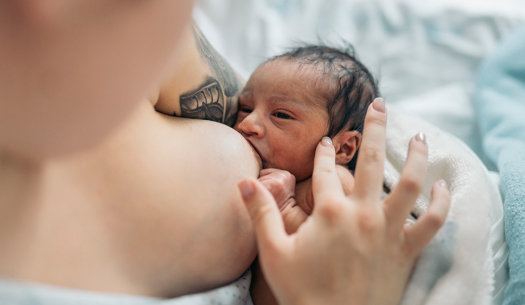
The Kwara State Government has renewed its campaign for exclusive breastfeeding, urging mothers to feed infants only breast milk for the first six months of life as it targets 70 per cent coverage across the state’s 16 local government areas.
The renewed push coincided with the 2026 World Breastfeeding Week, observed annually from Aug. 1 to Aug. 7, with mothers and caregivers also lending their voices to the campaign by describing breast milk as the safest, healthiest and most affordable source of nutrition for newborns.
To commemorate the global awareness week, the Executive Secretary of the Kwara State Primary Healthcare Development Agency, Prof. Nusirat Elelu, said the state was intensifying efforts to improve exclusive breastfeeding rates under the theme, “Breastfeeding for a Sustainable Start in Life: Strengthen What Works.”
She said the theme underscored the need for collective action to ensure every child received the best possible start in life through breastfeeding. “While we have made commendable progress, we cannot afford to be complacent,” Elelu said.
She noted that Kwara was among the first states in Nigeria to approve six-month maternity leave and establish crèches across government ministries to support breastfeeding mothers.
To further improve exclusive breastfeeding, she said the state had launched a “Zero Water” campaign to address the widespread misconception that babies younger than six months require water in addition to breast milk.
“Breast milk is approximately 88 per cent water and provides all the hydration and nutrients a baby needs during the first six months of life,” she said.
According to Elelu, introducing water or other liquids before six months increases the risk of contamination, diarrhoea and reduced intake of nutrient-rich breast milk, ultimately affecting a child’s growth and immunity.
She also disclosed that all pregnant women in the state were eligible to receive free Multiple Micronutrient Supplements, MMS, at primary healthcare centres, adding that more than 14,423 women had benefited from the programme since the beginning of 2026.
“MMS is a vital intervention aimed at preventing maternal malnutrition, anaemia in pregnancy, and the incidences of preterm and low birth weight deliveries. A well-nourished mother produces the best quality milk for her child,” she said.
Elelu encouraged expectant mothers to register at the nearest primary healthcare centre to access the supplements.
The campaign also gained support in Lokoja, Kogi State, where mothers and caregivers joined the conversation, describing breast milk as the safest and most affordable source of nutrition for infants while sharing personal experiences on its health benefits and role in strengthening mother-child bonds.
Also Read: Kwara targets 1.2m beneficiaries in maternal health week
Mrs. Blessing Kabo, a civil servant, described breast milk as “God’s natural provision” for newborns, saying it contains all the nutrients required for healthy growth during the first six months.
“I will encourage every mother to breastfeed their newborn baby. Breast milk is one of the ways that God has provided for humans to nourish their newborn. It is what is required to feed babies,” she said.
Kabo, who breastfed each of her three children for more than a year, acknowledged that although she exclusively breastfed for only four months at the time, she now supports the recommended six-month period.
“It is always at the correct temperature, requires no preparation and is free. All that is required is that the mother eats healthy and lives healthy,” she added.
Another mother, Mrs. Fatima Musa, described breastfeeding as both cost-effective and beneficial for strengthening the bond between mother and child.
“The first milk, colostrum, is antibiotic. It safeguards the child from every form of sickness,” she said, recalling that her first child, who was breastfed for one year and six months, was rarely ill compared with her other children who were breastfed for shorter periods.
She also pointed to the challenges of formula feeding, including the need to sterilize bottles and prepare feeds hygienically, noting that breast milk was naturally available at the right consistency and temperature.
Health authorities, including the World Health Organization, recommend exclusive breastfeeding for the first six months without water or other foods unless medically indicated.
Caregiver Mr. Bayo Akingbade said breastfeeding gives babies a healthy start by providing complete nutrition, strengthening immunity, supporting brain development and fostering a close emotional bond between mother and child.
He advised new mothers to maintain a healthy diet, stay hydrated and seek professional support whenever they encounter breastfeeding challenges. “The most important thing is that the baby is healthy, loved and well cared for,” he said.
Mrs. Aladi Precious, a trader, also urged mothers to embrace breastfeeding, saying it contributes significantly to children’s growth and brain development.
“New mothers should not deny their babies the necessary nutrients, especially when the baby is newly born. Nurses advise us to immediately put the baby to the breast to get the first healthy milk,” she said.
As governments and health partners continue efforts to improve child nutrition, stakeholders say increasing exclusive breastfeeding rates through public awareness, maternal support and access to quality healthcare remains critical to reducing infant illnesses and giving every child a healthier start in life.
NAN