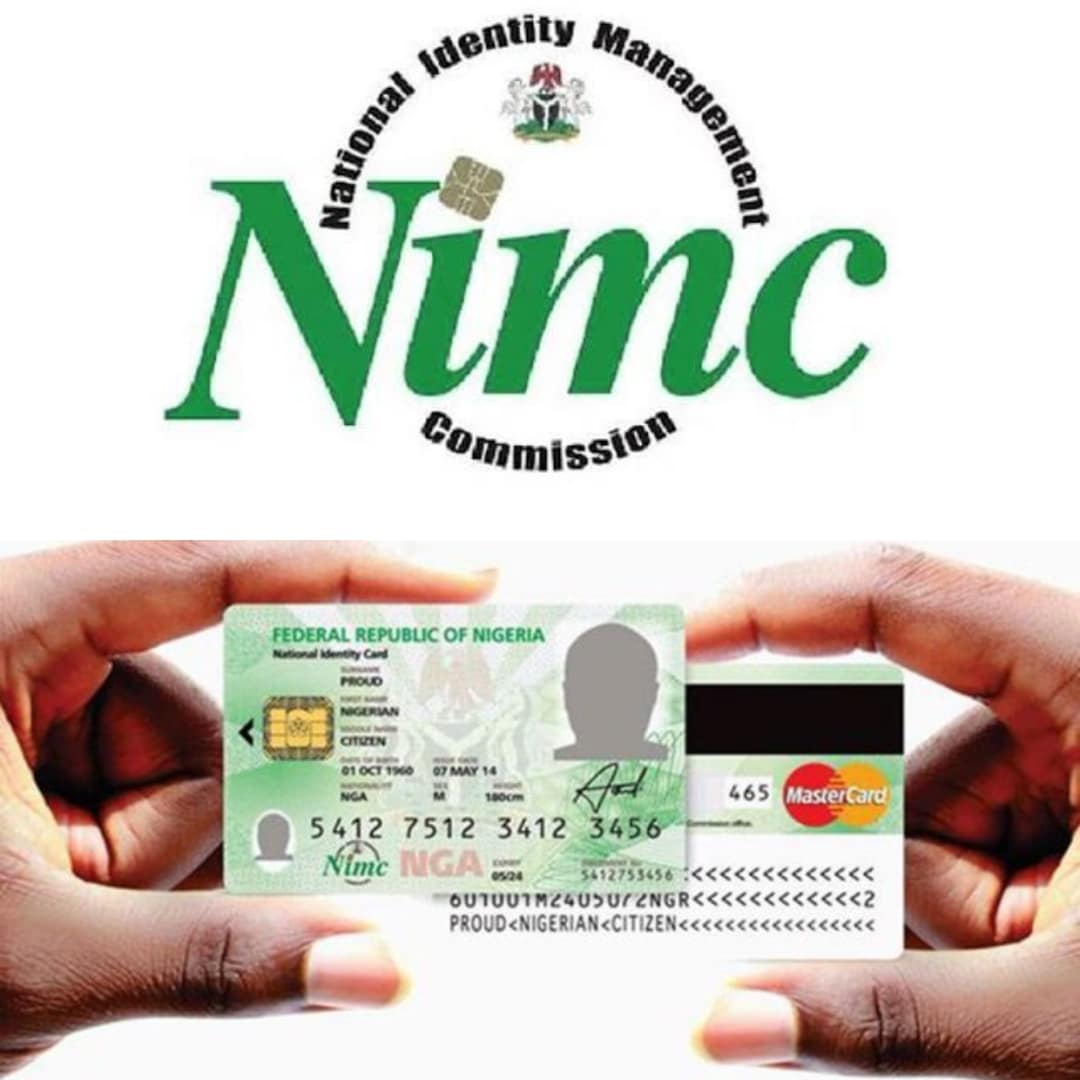
The National Identity Management Commission has discovered over 6000 nationals from Niger Republic who were fraudulently registered in its National Identity Management Commission database with National Identification Numbers.
President Bola Tinubu has directed an inter-ministerial committee to clean up the database and ensure only eligible Nigerians benefit from government programs such as student loans and conditional cash transfers.
During a briefing at the Federal Executive Council, Minister of Interior Olubunmi Tunji-Ojo confirmed that the illegal NINs have been deactivated and that NIMC was working to prevent future breaches.
He stressed the importance of a secure and accurate national identity system, especially in light of past fraudulent registrations in border communities.
Authorities have been grappling with cases of unauthorized identity registration. In October 2022, security forces arrested two suspected fake officials caught registering non-Nigerians at an internally displaced persons camp in Niger Republic.
Items recovered from them included a NIN registration machine, printing equipment, and a laminating machine. Investigations revealed that such illicit activities were widespread in border areas, posing serious security risks.
The cleanup of the NIMC database is critical for government programs that rely on accurate identity verification. Tinubu has emphasized that no public funds should be allocated to individuals who cannot be properly identified.
He tasked security agencies and ministries to oversee the verification process and register more Nigerians to enhance data accuracy.
This directive follows Tinubu’s earlier decision to suspend former Minister of Humanitarian Affairs and Poverty Alleviation Betta Edu amid concerns over mismanagement of social investment funds. To reform the system, the President set up a Special Presidential Panel led by Minister of Finance Wale Edun.
The panel is conducting a comprehensive review of the financial framework governing social programs to prevent fraud and restore public confidence.
As the database cleanup progresses, Nigerians can expect a more secure and transparent identity system, ensuring that government resources reach those who truly need them.
Reported by SAHARA REPORTERS