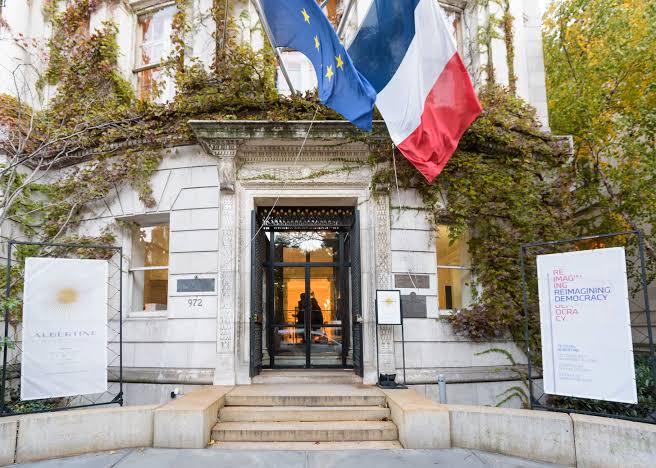
The French Embassy in Nigeria has announced the disbursement of €1 million (N1.8 billion) in grants to 19 civil society organisations, CSOs, across the country, aimed at boosting grassroots development and tackling critical social issues.
The announcement was made in Abuja on Monday, with the embassy also publishing the list of grant recipients. The beneficiaries are spread across 14 states and the Federal Capital Territory each selected through a competitive application process for their potential to implement high-impact community projects.
The initiative, known as the French Embassy Fund for Civil Society Organisations (FEF-OSC), is now in its sixth consecutive year. According to embassy officials, this year’s edition focuses on strengthening interventions in areas such as gender equality, youth empowerment, health education, economic inclusion, and community resilience.
Among the recipients are:
-
Against All Odds Foundation and Grassroot Researchers Association (Adamawa)
-
Girl Child Values Support Initiative and Youth and Adolescent Health Initiative and Counselling (Bauchi)
-
RACE Africa (Benue)
-
Economic and Social Empowerment of Rural Communities (Enugu)
-
Empower to Thrive Development Initiative (FCT)
-
Circuit Pointe (Imo)
-
Anti-Sexual Violence Lead Support Initiative (Kaduna)
-
Bridge Connect Africa Initiative (Kano)
-
Protect the Child Foundation (Kogi)
-
HopeSalive Initiative for Africa and Humanity Family Foundation for Peace and Development (Lagos)
-
Olive Rights to Health Initiative (Nasarawa)
-
Community Health Initiative for Youth in Nigeria and RippleAfrica Trust Foundation (Niger)
-
Committed Soul Women Health Advocacy Africa Initiative (Oyo)
-
Gender Equality, Peace and Development Centre and Protection Without Borders League (Zamfara)
READ ALSO: French embassy grants £1mn to Nigerian CSOs
Bertrand de Seissan, Political Counsellor at the French Embassy, said the initiative reflects France’s enduring commitment to grassroots development in Nigeria. He explained that both technical and financial support will be extended to the organisations to boost their capacity in addressing some of Nigeria’s most pressing challenges.
“These challenges include gender inequality, economic vulnerability, and the need for resilient, self-sustaining communities,” de Seissan said, adding that the funded projects are expected to have measurable impact within their respective regions.
The embassy said it received numerous applications, which were evaluated based on impact potential, transparency, sustainability, and inclusivity. Successful applicants will begin implementing their projects immediately, with regular monitoring and evaluation mechanisms put in place.
This move by the French government aligns with broader international development goals and strengthens diplomatic ties with Nigeria through meaningful civic engagement.
In recent years, international donor support for Nigerian CSOs has grown, with similar initiatives by the European Union and United Nations supporting hundreds of local groups. The FEF-OSC continues to stand out for its emphasis on community-led solutions and youth- and women-focused programming.
TheConclave