The West African Health Organisation, WAHO, the health arm of the Economic Community of West African States , ECOWAS, has called on researchers, policymakers, healthcare workers, and other stakeholders to contribute to strengthening the region’s health security.
This is particularly important in combating Lassa fever and other emerging infectious diseases.
The call was made in a statement issued on Friday, which also announced the second Lassa Fever International Conference, scheduled for September 2025 in Côte d’Ivoire.
The conference, themed “Beyond Borders: Strengthening Regional Cooperation to Combat Lassa Fever and Emerging Infectious Diseases,” will focus on enhancing regional preparedness and coordination through improved research, outbreak management, and cross-sector collaboration.
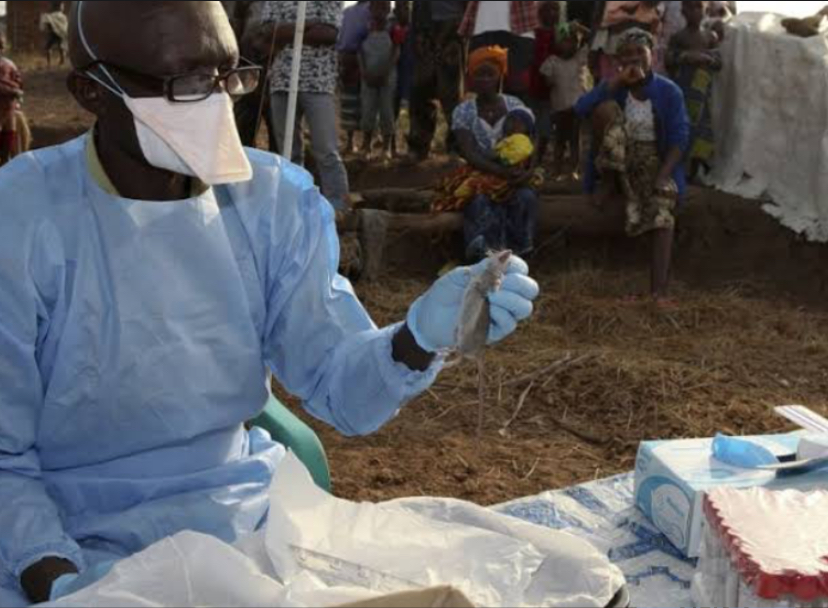
Lassa fever, a viral hemorrhagic disease endemic to West Africa, primarily affects countries like Nigeria, Liberia, Sierra Leone, and Guinea. Despite efforts to control it, the disease continues to expose significant gaps in the region’s health systems.
As of 2025, the Nigeria Centre for Disease Control, NCDC, has confirmed 506 cases of Lassa fever, with 95 deaths out of 2,492 suspected cases.
Despite Lassa fever being designated a priority disease by the World Health Organisation outbreaks tend to follow a cycle of temporary containment, only to be followed by new outbreaks.
READ ALSO : Psychiatrist calls for urgent mental health reforms
This pattern highlights the urgent need for long-term strategies that focus on research, system strengthening, and regional collaboration.
The 2025 conference builds on the work initiated during the first conference in 2019, hosted by the NCDC in Abuja.
It will gather key players from across the region to share research developments, including promising Lassa fever vaccine candidates currently in clinical trials, and discuss ways to strengthen cooperative efforts to combat the disease.
“Lassa fever is a persistent threat to our people, economies, and health systems,” said Dr. Melchior AÏSSI, Director-General of WAHO. “Endemic in several West African countries, it leads to between 100,000 and 300,000 infections annually, with around 5,000 deaths. Climate change could potentially expose up to 600 million people to the risk of contracting Lassa fever, underscoring the urgent need for heightened vigilance and preparedness.”
Dr. Katrin Ramsauer, Lassa Disease Programme Lead at the Coalition for Epidemic Preparedness Innovations, emphasized the importance of the conference for global health experts to address research gaps and guide future strategies. “This conference is an important opportunity for scientists and global health experts to come together under WAHO’s leadership, share new knowledge, and shape the Lassa fever research agenda for the coming years,” she stated.
The conference will feature various sessions, including plenary discussions with regional and international health leaders, panel discussions on vaccine research and community surveillance, and deep dives into operational research and environmental issues.
It will also explore financing mechanisms and strategies for improving cross-border and multisectoral coordination.
The goal is to create a more effective and sustainable regional response to Lassa fever and other emerging infectious diseases.
Crediblenewsng.com