When a new pope is elected, one of his first symbolic decisions is choosing a new name—an act rich in history, tradition, and significance for the global Catholic Church.
Though not a doctrinal requirement, adopting a papal name has become a powerful tradition dating back to the early Middle Ages. It began when Pope John II, originally named Mercurius, opted for a new name in 533 AD to distance himself from associations with the Roman god Mercury.
The practice became common by the 10th century, as incoming popes adopted names of respected predecessors, often choosing Italian-sounding names regardless of their nationality.
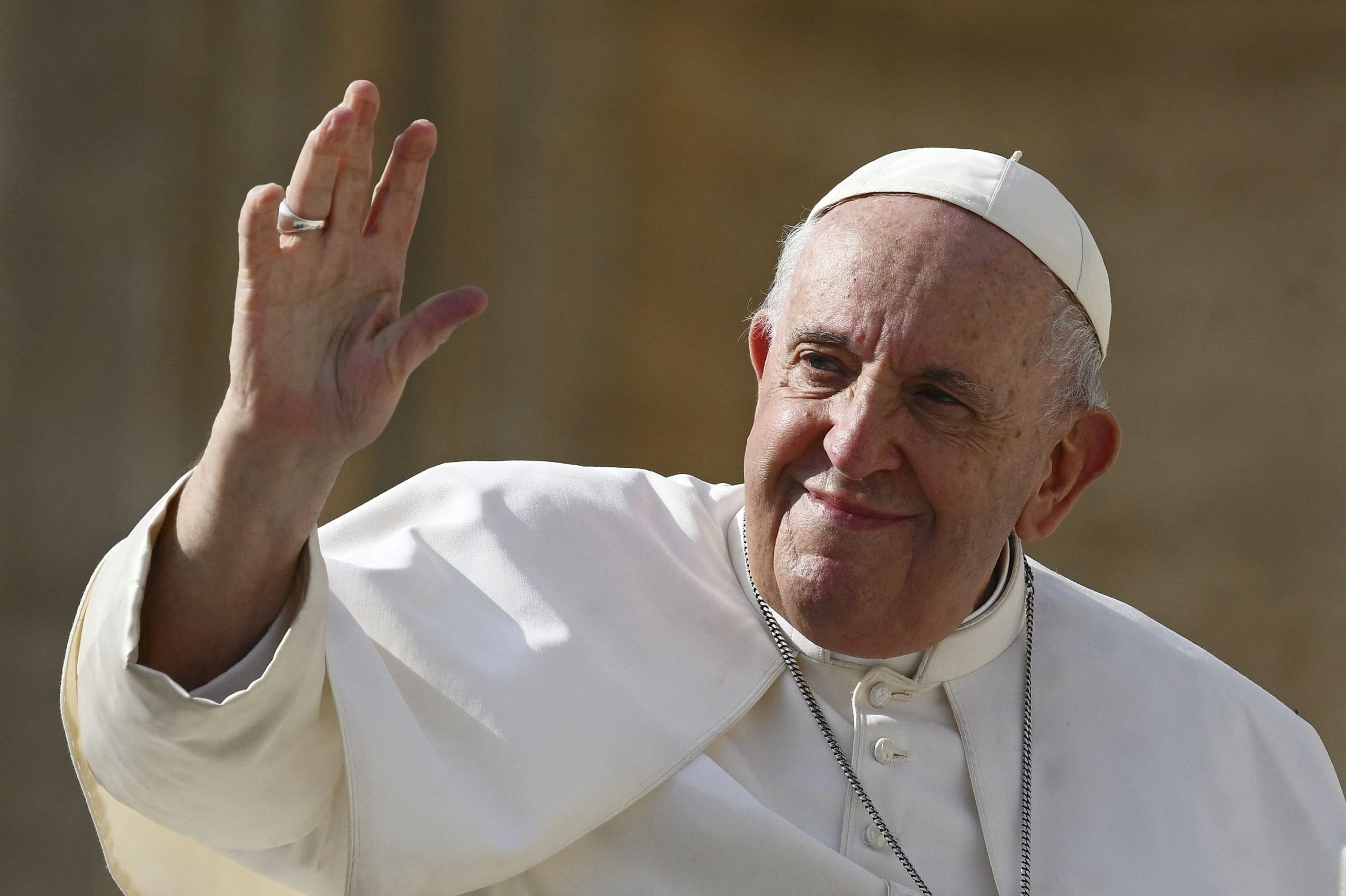
Each chosen name carries deep meaning. Some reflect admiration for past popes who led through crises or championed reform. Pope Francis, for instance, selected his name to honor St. Francis of Assisi, signaling a papacy focused on humility, peace, environmental care, and service to the poor.
Before him, Pope Benedict XVI referenced both St. Benedict and Benedict XV, emphasizing continuity, peace, and theological integrity.
However, not all names are fair game. “Peter” is traditionally avoided out of reverence for St. Peter, the first pope. Some names are also eschewed due to controversial histories. For example, “Urban” is unlikely because of Urban VIII’s role in Galileo’s trial, and “Pius” raises debate due to Pius XII’s criticized actions during World War II.
So, what could the next pope be called? If reform remains the goal, names like Leo (as in Leo XIII, known for social justice teachings) or Innocent (referencing Innocent XIII’s anti-corruption stance) might be chosen. A pope from the Global South could also revisit ancient names used by African pontiffs, such as Gelasius, Miltiades, or Victor.
READ ALSO: Pope Francis donates life savings to inmates
Choosing a unique name—as Pope Francis did—would be especially notable. Before him, no pope had selected a completely new name in over 1,000 years, the last being Pope Lando in the 10th century.
Some names have been particularly popular. “John” leads with 21 popes, followed by “Gregory,” “Benedict,” “Innocent,” and “Leo.” Confusingly, numbering has sometimes gone awry—such as with Pope John XXIII due to historical miscounts after John XIV.
Once a new pope is elected in the Sistine Chapel conclave, his chosen name will be announced to the world in Latin. The senior cardinal deacon will proclaim, “Habemus Papam”—“We have a pope”—from the balcony of St. Peter’s Basilica.
His papal name, given names (in Latin), and surname (in native form) will follow, marking the start of a new chapter in Church history.
Crediblenewsng.com