The World Health Organization, WHO, has raised the alarm over a stark global health disparity, revealing that people born in the richest countries live, on average, 33 years longer than those in the poorest nations.
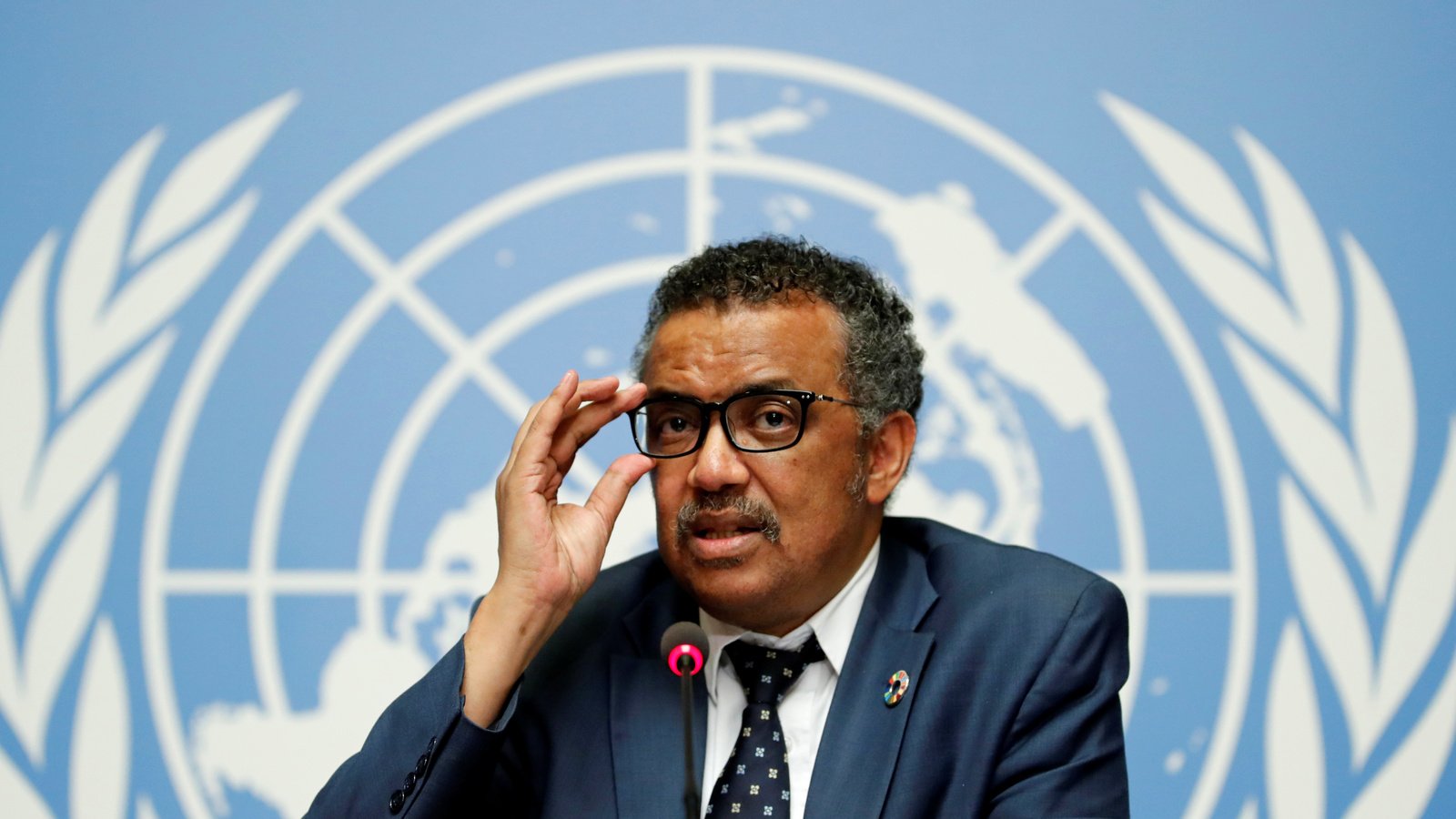
The revelation came on Tuesday, May 6, 2025, with the launch of WHO’s World Report on Social Determinants of Health Equity by Director-General Dr. Tedros Adhanom Ghebreyesus in New York.
According to the report, a child’s country of birth could determine whether they live into their 80s or die decades earlier, primarily due to unequal access to basic life-sustaining conditions such as safe housing, quality education, employment opportunities, and healthcare services.
“Our world is an unequal one. Where we are born, grow, live, work and age significantly influences our health and well-being,” Ghebreyesus said during the launch.
The report underscores how these health gaps are not merely the result of individual choices or genetics but stem from broader social determinants—inequities deeply rooted in structural disadvantages and systemic discrimination.
It finds that even within high-income countries, marginalized populations such as Indigenous peoples tend to have significantly lower life expectancies compared to their non-Indigenous peers, reinforcing the global nature of the issue.
READ ALSO: WHO launches first global meningitis guide
A key example highlighted in the report is that children born in low-income countries are 13 times more likely to die before their fifth birthday than children born in wealthier nations. This underscores the profound impact of social and economic inequality on health outcomes.
The study, the first major update since the WHO’s landmark 2008 Commission on Social Determinants of Health, warns that many 2040 global health equity targets—such as reducing gaps in life expectancy and lowering child and maternal mortality—are likely to be missed unless urgent action is taken.
Despite maternal mortality decreasing by 40% globally between 2000 and 2023, a staggering 94% of these deaths still occurred in low- and lower-middle-income countries.
The report calls for urgent and sustained collective action. Among its recommendations are investing in public services, strengthening social infrastructure, addressing structural discrimination, and tackling the root causes of conflicts, forced migration, and economic dislocation.
It concludes that tackling these social determinants is not only a matter of fairness but a critical requirement for building a healthier and more stable global society.
NAN
![Nnamdi Kanu, the leader of the proscribed Indigenous People of Biafra, IPOB.[PHOTO CREDIT: Ripples Nigeria]](https://crediblenewsng.com/wp-content/uploads/2025/04/Nnamdi-Kanu--75x75.jpg)