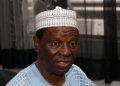
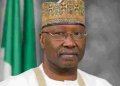
![Corps Marshal of the FRSC, Shehu Mohammed. [PHOTO CREDIT: Official FRSC Instagram | @frscnigeria]](https://crediblenewsng.com/wp-content/uploads/2025/04/images-33.jpeg)
President Bola Ahmed Tinubu has thrown his full weight behind the Federal Road Safety Corps, FRSC, approving extended operational support, including night patrols and advanced digital platforms, as part of efforts to cut road traffic fatalities by 50% by 2030.
Corps Marshal of the FRSC, Malam Shehu Mohammed in an interview in Abuja to mark the president’s second anniversary in office, said Tinubu’s Renewed Hope Agenda had translated into increased funding, accelerated policy approval, and tech-driven interventions aimed at improving national road safety.
Mohammed confirmed that Presidency directives now mandate full-scale night patrols across Nigerian highways, a major shift aimed at tackling the high rate of nighttime crashes and fatalities.
“When most fatal crashes and severe injuries happen at night,” Mohammed said, “President Tinubu recognised this and directed us to fully resume nationwide night patrols — a decision we commend.”
While 2024 recorded a 10% reduction in reported road traffic crashes, the Corps Marshal acknowledged that fatalities had risen due to “secondary incidents” — particularly fire outbreaks and explosions resulting from fuel scooping at tanker crash sites.
“Primary crashes may not be deadly,” he noted, “but it’s the reckless behaviour around crash scenes — especially scooping fuel — that leads to loss of lives.”
READ ALSO: FRSC orders probe of Karu bridge crash
Mohammed credited much of the FRSC’s progress to the efficiency of the Office of the Secretary to the Government of the Federation, led by Senator George Akume.
He said all memos and correspondence related to road safety receive swift responses and approvals.
“This administration has ensured quick budget releases and offered strong moral support. It has helped us grow, upgrade offices, and expand training for our staff.”
To align with global standards and improve public service delivery, the FRSC rolled out two major digital innovations:
One is a one-stop mobile app that alerts drivers and passengers in real-time about speed violations, dangerous bends, potholes, and known black spots.
It features geolocation tracking to assist in rapid crash response and enhance the ease-of-doing-business ethos of the Renewed Hope Agenda.
The second is the National Crash Information Reporting System, NCIRS, developed to address international concerns about Nigeria’s crash data credibility.
The NCIRS harmonizes road crash data from all relevant security and emergency agencies into a single, reliable national database.
“Before this, the World Bank and WHO questioned the quality of our crash data,” Mohammed said. “Now we have a system that eliminates duplication and presents accurate data to global partners.”
The Corps Marshal urged the public to cooperate with road safety officials and resist behaviors that undermine rescue operations or compromise safety.
“The government has given us tools to work with, but we need every Nigerian to see road safety as a shared duty. We all have a role in saving lives.”
The FRSC continues to roll out reforms as it targets halving Nigeria’s road traffic deaths by 2030, in line with global sustainable development goals.
NAN