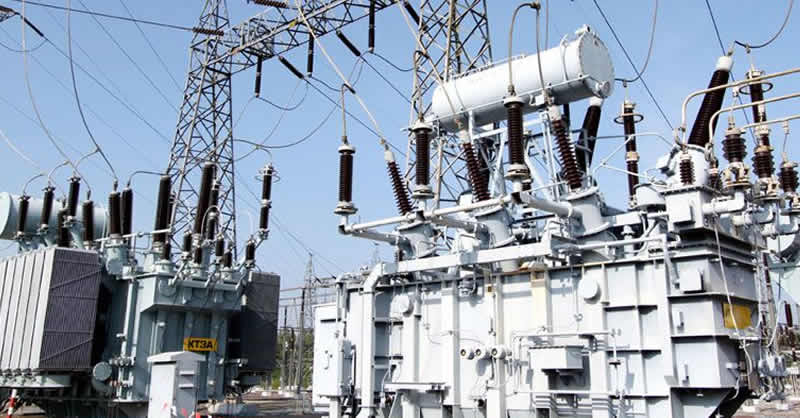
The national electricity grid in Nigeria suffered a set back again and collapsed on Tuesday morning just hours after a similar failure on Monday evening plunged the country into total darkness.
On Monday at around 6:18 p.m., power generation plummeted from 3.87 gigawatts to 0.00GW, resulting in widespread outages. Several power distribution companies confirmed the collapse, which left many areas without electricity for several hours.
This morning, at 9:17 a.m., the grid failed again. By 10 a.m., power across the nation had dropped to zero, causing another nationwide blackout. This marks the second grid failure in less than 24 hours, raising serious concerns about the reliability of Nigeria’s electricity infrastructure.
The Eko Electricity Distribution Company acknowledged the issue, stating that the collapse occurred at 09:17 hrs and had led to a complete loss of power. The company assured customers that efforts were underway to restore the grid and promised to provide updates as the situation developed.
READ ALSO : FG unveils technology to monitor national grid performance
Despite efforts by distribution companies, the grid supply remained erratic, with power being allocated to various regions, including Abuja (44MW), Benin (35MW), and Ibadan (85MW), among others. However, many areas remained in the dark due to the ongoing instability.
Princewill Okorie, Executive Director of the Electricity Consumer Protection Advocacy Centre, expressed frustration over the repeated grid collapses, especially given the recent increase in electricity tariffs. He criticized the government for not taking stronger action to prevent these outages and raised concerns about unmetered customers still being charged during power failures.
Tuesday’s incident marked the sixth time the national grid has collapsed this year following its first collapse on February 4, which threw the nation into darkness. The national grid also collapsed multiple times in 2023. It collapsed twice in September 2023 alone and once in December 2023.
The repeated collapses have sparked public outrage, highlighting deeper issues within Nigeria’s electricity sector and the urgent need for reform.
Credible News.ng